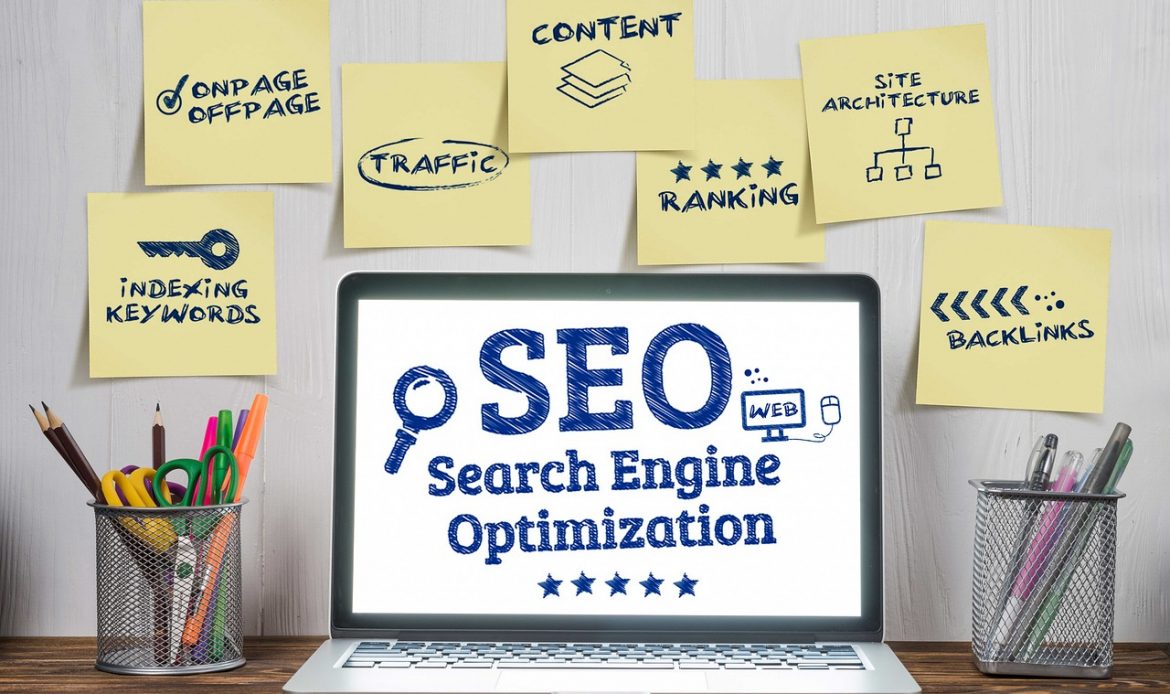
Search visibility in 2026 is measured in more than rankings. The user often sees an AI overview, a chat style answer, or a voice response before they ever scroll. The winning brands have learned how to make their pages easy for large language models to understand, trust, and cite.
LLM optimised SEO is the practice of shaping your content and your site signals so AI systems can reliably extract the right facts, connect them to the right entities, and feel confident enough to reference your brand in generated answers. That means you are optimising for AI-driven search visibility, not only for ten blue links.
Traditional SEO still matters, because AI systems draw from search indexes and established ranking signals. Yet LLM visibility has its own gravity. A page can sit in a good ranking position and still be ignored by an overview if its information is vague, if its authorship is unclear, or if the content is hard to parse.
A pattern has shown up across multiple 2025 studies and industry analyses. When AI overviews appear, organic click through rate can fall sharply, with reports showing drops that can exceed 50 percent on affected queries. At the same time, pages that get cited inside those overviews can see better click through performance than they would have earned from a standard result. The practical takeaway is clear. Your goal is not only traffic. Your goal is presence inside the answer.
What LLM optimised SEO includes
LLM optimised SEO in 2026 usually includes five workstreams that run together.
- Semantic clarity so the model can extract your meaning without guessing.
- Trust signals and source credibility so the system can justify citing you.
- Entity level optimisation so your brand, people, services, and locations are consistently understood.
- Content structure designed for summarisation so you are easy to quote.
- Distribution and mentions so your brand appears across the web in places AI systems treat as corroboration.
This is also where content operations become a competitive edge. A lot of businesses can write one great page. The brands that dominate AI visibility tend to publish consistently, update regularly, and keep their internal linking clean so their site reads like a coherent knowledge base.
NitroSpark was built for that operational reality. Many small business owners and local service providers want organic growth but do not have the time for weekly publishing, internal linking upkeep, and ongoing authority building. NitroSpark automates consistent blog creation and WordPress publishing through AutoGrowth, injects internal links into new posts to keep topical clusters connected, and provides niche relevant backlinks each month to strengthen authority. Consistency matters more when AI systems are choosing sources at scale.
How to structure content for AI powered overviews
AI overviews and answer engines tend to reward pages that are simple to read, precise in scope, and confident in factual statements. The model needs to capture an answer quickly, then gather supporting detail that does not contradict itself.
Start each section with the answer
A useful approach is to lead with a direct statement in the first sentence of a section, then expand. This gives AI systems a clean extraction point and gives human readers immediate value.
Keep topic scope tight and label it clearly
One page should have one job. If the page covers three different intents, an overview may use none of it. Tight scope looks like this.
- One core question per page
- A short definition early
- Subsections that map to common follow up questions
Use formatting that survives summarisation
LLMs handle structured writing well. They pick up lists, definitions, and step by step sequences with fewer errors.
- Use short paragraphs with one idea each
- Use bullet lists for criteria, steps, and checklists
- Use tables when comparing options or pricing
Build trust signals into the page itself
AI systems look for indicators of reliability. You can help by making credibility obvious on the page.
- Name the author and their role in the company
- State relevant qualifications or lived experience
- Show a clear date and update cadence
- Include a contact route and a real business footprint when relevant
For local services, this matters even more. People asking voice assistants for a tax adviser or an accountant want reassurance, not generic marketing. A clear About page, visible service pages, and consistent local information helps the AI choose you for both summaries and spoken answers.
Write for citation friendliness
If you want to be cited, write sentences that can be quoted. That means crisp claims with boundaries.
- Prefer concrete statements over fluffy language
- Use numbers only when you can stand behind them
- Avoid sweeping claims like best, number one, or guaranteed
Why About and FAQ pages are rising in influence
In a generative search environment, About and FAQ pages act like verification layers. They are where a system can confirm who you are, what you do, and whether you have a stable point of view.
The About page as an entity anchor
A strong About page gives AI systems a stable source of truth about your brand entity.
Include these elements.
- Your legal business name and any trading names
- Primary services and target industries
- Locations served, with clear city and region references
- Leadership and subject matter experts, written as real people
- Proof points such as client outcomes, years in operation, or specialist focus
NitroSpark sees this play out with local service firms. Accountancy practices often compete with larger firms that have stronger brand recognition. Tight About page information paired with consistent topical publishing and local intent content, such as accountant near me and tax adviser in a specific city, increases the chance that both classic search and AI summaries recognise the firm as a credible local option.
FAQ pages as retrieval maps
FAQ content performs well in AI systems because it matches the model input output pattern. A user asks a question. The assistant replies with a concise answer.
To optimise FAQs for generative search.
- Write each question exactly as a person would ask it
- Answer in two to four sentences, then add optional detail
- Keep each answer consistent with your service pages
- Group questions by theme so the page is not a random list
A practical tip is to publish both a central FAQ hub and smaller FAQs on key service pages. This creates multiple entry points for AI systems to retrieve the right answer.
Entity level optimisation for AI visibility
Entity optimisation is the work of making sure your brand, products, services, people, and locations are unambiguous across your site and the wider web. LLMs thrive on entity relationships. When your entity signals are consistent, the model can connect your content to the correct concept and reduce uncertainty.
What to optimise at entity level
Most brands have at least these entities.
- Brand or organisation
- Founders and subject matter experts
- Service lines or product categories
- Locations served
- Proprietary processes or named frameworks
Map those entities and keep the names consistent everywhere. Do not swap between near synonyms that confuse the model, such as tax planning and tax strategy, unless you explain the relationship.
Tools and techniques that help
- Use structured data markup to label key information, including organisation and author details where appropriate
- Keep internal linking intentional, so related pages reinforce the same entity cluster
- Build topical clusters that cover a service from definitions through comparisons through how to choose and costs
- Keep an update routine, since AI systems often prefer recent and maintained sources
NitroSpark supports this kind of structure through automatic internal linking inside new posts, which improves crawlability and keeps entity clusters connected over time. It also includes a rankings tracker so you can measure how your visibility changes as your topical authority grows.
How to earn citations and mentions inside AI generated answers
AI generated responses can bypass standard rankings, especially when the system is synthesising information across multiple sources. Citation earning is a craft built on clarity, authority, and distribution.
Publish content that answers high intent questions cleanly
High intent queries often show up as.
- How much does it cost
- Which option is best for my situation
- What are the steps
- What mistakes should I avoid
Write pages that answer these directly. Keep the opening tight. Expand with detail that proves you understand the nuance.
Make your site easy to verify
Citations tend to favour pages that look like real businesses with accountability.
- Real author profiles
- Clear business details
- Consistent brand messaging
- A sensible site architecture where related pages connect
Build authority signals beyond your own site
Mentions in relevant places help your entity. Think industry communities, niche publications, supplier directories, and partners.
NitroSpark includes monthly niche relevant backlinks placed contextually on high authority domains. That supports domain authority and increases the chance that your pages appear in the source pool an AI system draws from.
Use multi platform distribution to increase entity corroboration
Social platforms and community posts can reinforce your topical presence when they are consistent and useful. NitroSpark can turn each new blog into platform tailored social posts, which helps keep your brand’s language and key topics repeated in public spaces without creating extra work.
A practical workflow for marketers who want AI visibility without burning out
A sustainable LLM optimised SEO workflow has three rhythms.
- Weekly publishing focused on one topical cluster at a time
- Monthly authority building through quality mentions and backlinks
- Quarterly refreshes on your most important pages and FAQs
Automation helps when it protects consistency while leaving room for human review. Understanding LLM optimisation strategies combined with consistent execution becomes crucial for staying competitive. NitroSpark was designed for that balance. It can draft or publish directly to WordPress, adjust tone through humanization settings so content matches your brand voice, and keep output steady even when client work becomes the priority.
Closing thoughts and next step
AI driven search in 2026 rewards brands that speak clearly, prove who they are, and publish like they mean it. The shift towards zero-click AI results demands a fundamental rethinking of content strategy. Tight structure, strong About and FAQ pages, and entity level consistency combine into a signal that LLMs can trust.
A good question to end on is simple. If a search assistant had to explain your business in three sentences, would it get the details right, and would it mention you by name.
Mastering the balance between traditional SEO practices and AI optimisation requires both strategic thinking and consistent execution. If you want a practical way to build this kind of visibility consistently, NitroSpark can automate the publishing, internal linking, and authority building that keeps your brand discoverable in both classic search and AI generated answers.
Frequently Asked Questions
What is LLM optimised SEO
LLM optimised SEO is the practice of structuring content and site signals so AI systems can understand your meaning, connect it to the right entities, and confidently cite your pages inside AI overviews, chat answers, and voice responses.
How do I make my content easier for AI overviews to cite
Write in tight sections with a direct answer in the first sentence, keep paragraphs focused on one idea, and use lists for steps and criteria. Add visible trust signals such as authorship, updates, and clear business details so the page feels verifiable.
Why are About pages so important for AI driven search
About pages help AI systems confirm your brand identity, your services, your expertise, and your locations. When that information is clear and consistent, your brand entity becomes easier to match to the right queries.
Do FAQ pages still matter if rich results are less common
FAQ pages matter because they mirror the way people ask questions in voice and chat interfaces. Clear questions paired with short accurate answers give AI systems clean snippets to reuse in generated responses.
What does entity level optimisation look like in practice
Entity level optimisation means naming your services, people, and locations consistently, connecting related pages through internal links, and using structured data where appropriate. Over time this builds a coherent topical footprint that AI systems can retrieve and summarise with fewer errors.