
Welcome to the Future of Home Comfort: Underfloor Heating in 2026
Picture entering your home on a chilly day and feeling a gentle, even warmth rising beneath your feet. Underfloor heating has evolved into one of the most popular solutions for maintaining a cozy, energy-smart home in 2026. Homeowners today are seeking systems that provide not only enhanced comfort but also impressive savings on utility bills and a reliable long-term investment in their property.
What Makes Underfloor Heating So Appealing in 2026?
Advances in heating technology have expanded your choices for creating a warm, inviting living space. Whether you are considering a full-scale renovation or a quick retrofit, the range of underfloor systems on the market has never been more versatile and efficient. Now, let’s take a fresh look at what you really need to know before investing.
Exploring Modern Underfloor Heating Systems for Homeowners
The world of underfloor heating presents two primary options: electric and hydronic (water-based) systems. Each offers distinct advantages, making it essential to match the system to your unique space and priorities.
Electric Underfloor Heating functions by running heated cables or mats beneath your flooring. Its popularity has soared for small spaces or rooms where renovations cannot disrupt existing flooring structures. These systems boast quick installation times. Sometimes completed in a single day. Making them a favorite for bathrooms, kitchens, and home extensions. Smart thermostats now offer granular room-by-room control, giving users the ability to set schedules or respond to energy-saving signals.
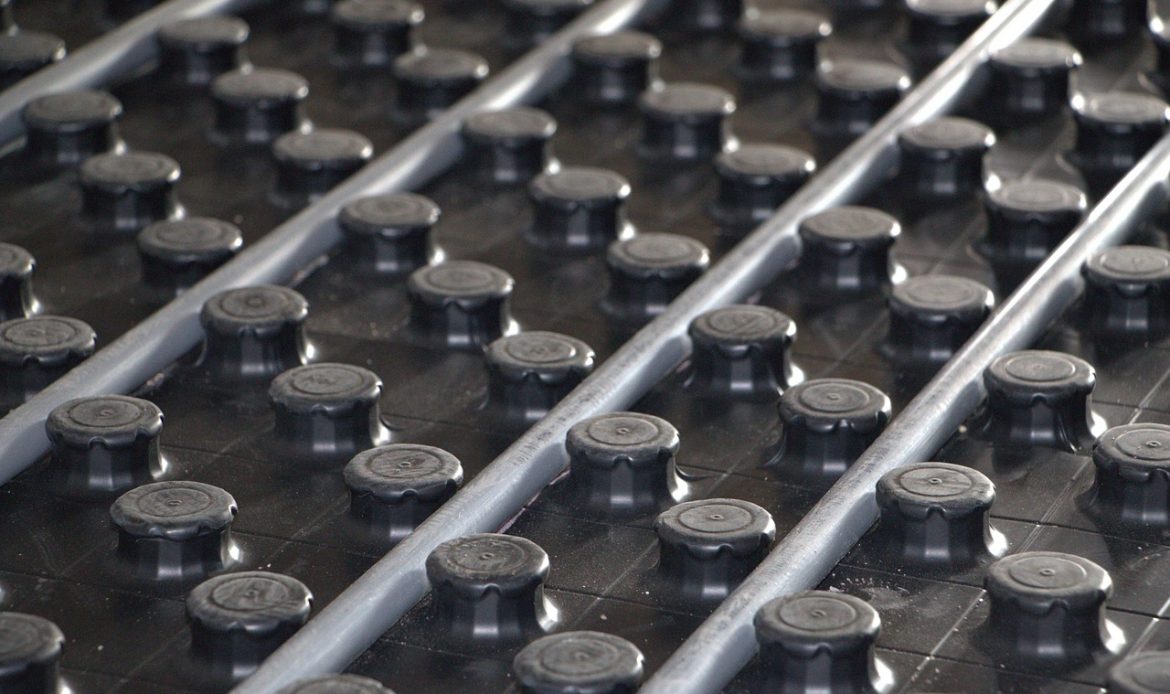
Hydronic Underfloor Heating uses warm water circulating through durable pipes laid underneath your floor. While installation is a bit more involved and suited to larger spaces or new builds, ongoing running costs tend to be lower when combined with efficient heat sources like heat pumps. These systems excel in distributing consistent warmth throughout bigger rooms and entire homes, creating a stable, comfortable temperature from wall to wall.
Key points to compare:
* Electric systems shine for quick upgrades and smaller rooms, with costs typically ranging from 60 to 120 GBP per square meter installed.
* Hydronic solutions are ideal for larger areas and new constructions, with prices usually starting at 90 to 190 GBP per square meter depending on the complexity of the project.
* Both benefit tremendously from modern insulation materials and high-precision controls that are now standard features in 2026.
Modern Underfloor Heating Systems in Action

Electric mats and hydronic pipe layouts can be installed below a variety of flooring types, from tile and engineered wood to luxury vinyl. New solutions are thinner, faster to install, and work well for both retrofits and new builds.
Step by Step Guide to Installation and Best Practices for 2026
Success with underfloor heating begins with thorough preparation and choosing quality materials. Here is how the process unfolds for most modern systems, reflecting the top recommendations from industry specialists in 2026.
1. Assessment and Planning
– Measure your total floor area, noting fixed furniture and the desired heating zones
– Check floor heights and substrate compatibility. New overlay systems now minimize disruption
2. Insulation and Subfloor Preparation
– Secure high-performance insulation boards to reduce heat loss and improve energy efficiency
– Lay out all piping or electrical mats, mapping exact locations for future reference
3. Installation
– For hydronic heating, expert plumbers connect pipes to a centrally-located manifold and ensure system pressure and balance
– For electric, mats or cables are unrolled and tested for continuity, then connected to a smart thermostat controller
4. Floor Finish Application
– Install your finished flooring. Porcelain tiles, engineered wood, or specialist vinyl approved for underfloor use. Once the heating system passes all checks
– Maintain a low-tog rating for carpets when electric heating is used to ensure effective energy transfer
5. Commissioning and Smart Control Setup
– System balancing, air removal, and thermostat programming ensure even heat delivery throughout every zone
– Advanced smart thermostats now offer learning, zoning, and scheduling for maximum efficiency
Expert Tip: Meticulous insulation and final system commissioning make the difference between stable, cost-effective comfort and unnecessary energy waste.
Underfloor Heating for Energy Savings and Consistent Comfort
Homeowners increasingly turn to underfloor heating for its reputation as an energy-smart upgrade. Energy savings start at the source: radiant heat rises naturally from the floor, warming the room and its occupants directly, reducing the need for high water temperatures or frequent system cycling.
Key Benefits:
– Studies in 2026 show that underfloor heating can cost around 25 percent less to run than standard radiators when installed with proper insulation and modern thermostats
– Hydronic systems paired with renewable heat sources, such as heat pumps, often achieve significant reductions in everyday heating expenses
– Even electric systems see a boost in efficiency thanks to improved insulation, intelligent zone controls and the new generation of programmable thermostats
Consistent, gentle heat means no more cold spots. Faster response times and zone controls translate into personalized comfort for every family member. Perfect for open-plan homes, busy entryways, and frequently-used bathrooms.
Advanced Energy Saving With Smart Controls

Smart thermostats allow homeowners to schedule heating, monitor real-time energy use, and receive tips to optimize performance. Zoning options make it possible to heat only the rooms in use, magnifying both comfort and efficiency. The result is greater control over utility spending with no compromise in warmth.
Answering Homeowners’ Most Popular Questions in 2026
Homeowners are right to ask about the practical details before investing. Here are clear answers to the most common questions about underfloor heating this year.
How much does underfloor heating cost to install and run?
Installation prices vary depending on room size, system type, and your chosen finish. Expect modern electric systems to fall between sixty and one hundred twenty pounds per square meter installed, while hydronic systems tend to start around ninety and can reach one hundred ninety pounds per square meter in complex retrofits. Running costs depend on usage, insulation, and local energy tariffs but, on average, many users see savings of up to twenty five percent compared to former radiator-based systems.
What about maintenance?
Underfloor systems are designed for reliability with minimal intervention. Hydronic systems benefit from occasional annual checks for balancing and pressure, while electric systems require little more than a periodic thermostat test and quick inspection if a fault warning appears. Both new and retrofit installations require proper system commissioning for optimal long-term efficiency.
Is my flooring suitable?
Most new flooring products are now underfloor heating compatible. Look for low-tog carpet, specialist vinyls, engineered wood, or modern tiles. Consulting your installer on the best underlay and insulation strategy protects performance and maximizes lifespan.
Do I lose floor height?
New overlay systems significantly minimize the buildup, often adding just a few millimeters and preventing disruption to door thresholds or fixtures.
How long does installation take?
Smaller rooms with electric mats can be completed within a day. Larger rooms or full hydronic systems may take a few days, especially in new builds where preparation and balancing are paramount.
Practical Tips for Selecting and Maximizing Your Underfloor Heating
Choosing the right system starts by honestly assessing your space, your renovation plans, and your long-term energy goals. Here are practical actions to help homeowners make the best investment:
- Assess your primary rooms for suitability. Kitchens and bathrooms benefit the most, but new low-profile systems now fit bedrooms and living rooms as well.
- Insist on modern insulation. Both below and above heating elements. For drastically improved efficiency, faster warm-up, and reduced running costs.
- Opt for advanced smart thermostats, which now feature room-by-room schedules, temperature learning, and easy smartphone integration.
- For new builds or large projects, consider hydronic systems paired with renewable energy sources to capture maximum long-term savings future-proofed for the next decades.
- Ensure your chosen system is matched to certified installers with experience working with your flooring type and layout.
Expert Insight: Always ask for a commissioning report and thorough demonstration of your smart controls before your installer leaves. This empowers you to confidently control your comfort and spending from day one.
The Future of Warmth and Efficiency. Is Underfloor Heating Right for You?
Underfloor heating is reshaping home comfort and energy efficiency in 2026. Advancements in installation methods and system design have made it accessible, reliable, and an attractive way to cut costs on utility bills. With options for every type of home, robust energy savings, and smart controls putting comfort at your fingertips, installing underfloor heating stands as a leading investment for forward-thinking homeowners.
Investing in underfloor heating is about more than warmth alone. It is a statement of modern living, energy mindfulness, and future-ready comfort. Curious about the next step? Reach out for a professional assessment, speak with experienced installers, or explore new smart home tools that make the most of your investment.
Seek quality, confirm expertise, and watch your home transform into a space of lasting comfort and intelligent energy use.