
Underfloor Heating in 2026 – Smart Upgrades for Energy-Efficient Homes
Underfloor heating is now a key feature for anyone aiming to create a home that feels luxurious but stays energy efficient. Over recent years, the technology and design behind these systems has been transformed by smarter controls, regulatory targets, and advances in both water-based (hydronic) and electric solutions. As 2026 unfolds, more homeowners and property developers are looking for the most current insights on making underfloor heating both a practical and future-ready investment.
Why Underfloor Heating Is an Essential Feature in Modern Homes
The popularity of underfloor heating has gained momentum for good reasons. It distributes warmth evenly throughout rooms, eliminates the need for bulky radiators, and delivers a quiet, invisible heating solution that pairs with almost any interior design. Unsurprisingly, the push for low-energy homes across the UK has turned underfloor heating into a standard for both new builds and major refurbishments, particularly where occupants want to reduce overall carbon footprint and cut yearly heating costs. Feedback from UK households shows a drop of up to 30 percent in annual heating bills compared to traditional radiator systems, especially when paired with the latest smart controls and zoning features.
Property owners are not just chasing comfort; they are meeting demands for compliance with stricter efficiency standards and future-proofing their living spaces. Today’s best underfloor heating systems offer operating temperatures far below those used by older boiler-fed radiators. Lower water temperatures, combined with tightly controlled zoning, mean these systems can make the most of energy-efficient heat pumps or modern condensing boilers – giving homeowners full confidence that their investment is prepared for future regulations and rising energy prices.
The Rise of Smart Thermostats and Room-by-Room Zoning
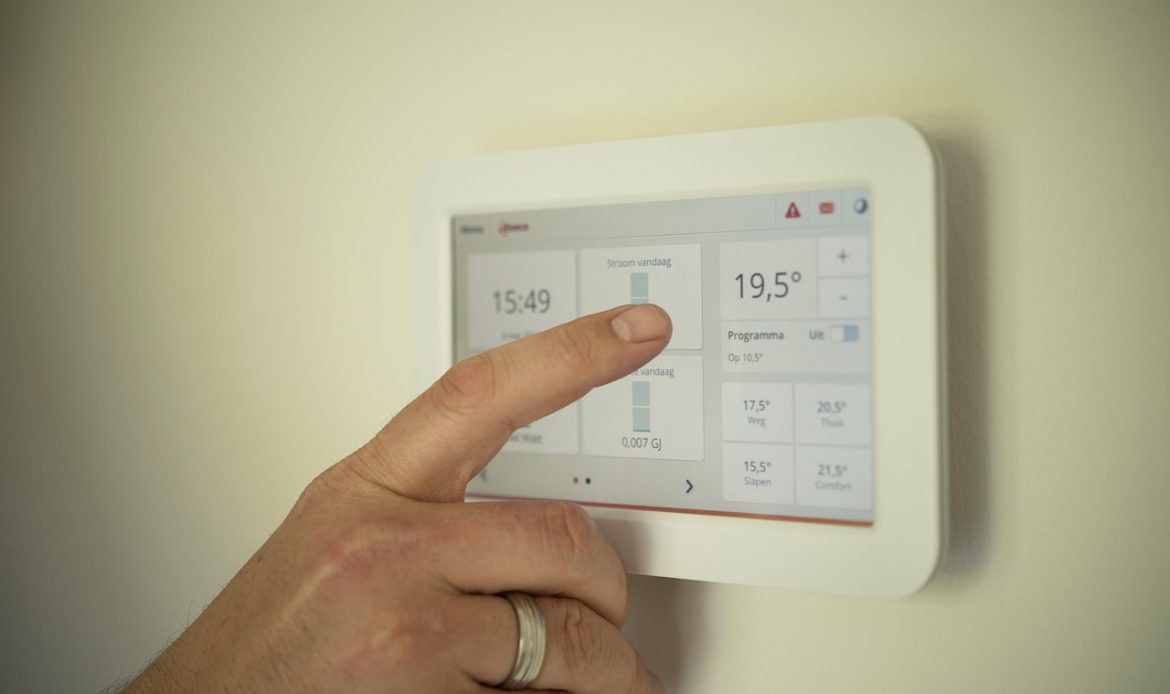
Homeowners now expect underfloor heating systems that do far more than simply warm up a full property at the push of a button. Today’s smart controls have changed the game. Cutting-edge thermostats allow for individual room management and granular temperature adjustments, meeting comfort requirements in each zone at different times of day. These systems remember user preferences, offer energy reports, and respond intuitively through apps – putting effortless control into the hands of the building’s occupants.
Room-by-room zoning has been especially influential across UK households. Heating each room only when necessary not only reduces waste but also directly supports a more sustainable home. Real-world use cases highlight energy reductions and substantial savings when zoning technology is embraced. Modern thermostats now offer advanced scheduling, adaptive learning, and integration with wider smart home platforms, all while keeping energy bills tight and efficiency ratings high.
Zone-based control also increases resale value. Properties equipped with these digital heating controls are quickly becoming sought after, as buyers want the reassurance of easy-to-use smart features and the prospect of lower annual running costs. This innovation is no longer a novelty; it is expected.
Low-Temperature Design and Smart Efficiency Strategies
Underfloor heating systems in 2026 work best at lower temperatures than ever before. Careful design ensures that each layer below the floor – including insulation, pipes or mats, and screed – maximises the effectiveness of every kilowatt. The most successful projects pay close attention to insulation beneath the heating elements, which keeps valuable warmth in the room rather than letting it fade away through the subfloor.
Low temperature operation is not just a nod to efficiency; it is crucial for compatibility with green energy sources such as heat pumps and solar thermal systems. Carefully managing flow temperatures, typically between 35 and 45 degrees celsius for water-based systems, means less wasted energy and more even comfort throughout all living areas. Designers now recommend tight pipe spacing and high quality insulation below pipes or mats. This lets systems perform at lower settings without sacrificing comfort, even in the depths of winter.
Smart controllers play a vital role here, working in tandem with low temperature designs to modulate heat only when and where it is required. Zone-based temperature management and time-of-use scheduling ensure no energy is wasted. These strategies work together to keep running costs in check and sustain comfort all year round.
Compliance Standards and Regulations for 2026
Staying up to speed with underfloor heating regulations is not just about ticking boxes. Compliance in 2026 demands thoughtful design that delivers measurable energy savings. Projects must now consider stricter building regulations that set clear thresholds for insulation values, heating system controls, and compatibility with low and zero-carbon technologies.
In the UK, recent updates have tightened tolerances on allowable flow temperatures and mandated the use of high-efficiency controls in all new installations and substantial renovations. Professional installers must often supply detailed design packs that specify pipe layouts, flow rates, pressure drops, and system commissioning processes. These steps are essential not only for earning sign-off from building inspectors but also for ensuring the system meets new and future regulatory milestones.
One key requirement is to ensure that total flooring build-up, including underlay, maintains an efficient transfer of heat – which is especially important for carpets, where combined “tog” ratings should remain below 2.5 to allow proper heat flow. Regular updates issued by the Future Homes Standard and related initiatives reinforce the importance of pairing underfloor heating with compatible floor coverings and renewable heat sources. Taking these compliance details seriously sets a home apart and maximises both comfort and long-term value.
Water versus Electric Underfloor Heating: Key Differences for UK Homes
Choosing between water based and electric underfloor heating frames many upgrade discussions in 2026. Each system brings unique strengths suited for different scenarios, budgets, and building types.
Water underfloor heating systems harness warm water circulated through a network of pipes installed beneath the floors. These setups offer significant benefits where efficiency and scalability are top priorities, particularly in whole house installations or new builds. These systems operate at lower flow temperatures and integrate seamlessly with renewable heating such as heat pumps or high-efficiency boilers. While installation involves more planning and disruption, the running costs are usually lower, making water based systems attractive for larger homes or those committed to long term energy savings.
Electric underfloor heating, on the other hand, uses networks of heated cables or mats. These can be fitted rapidly and are ideal for retrofitting in single rooms or where structural changes are limited by budget or construction. The install process is less invasive and often completes in a fraction of the time needed for wet systems. Electric solutions excel where quick upgrades or simple installation is the priority, for instance in bathrooms or kitchens. Although the upfront price is often lower, ongoing costs per kilowatt hour are comparatively higher. That being said, pairing electric systems with advanced controls and smart zoning can help keep costs manageable and performance high.
For UK homeowners, balancing immediate needs with future energy strategies is key. Where maximum efficiency, integration with renewables, and larger scale coverage matter, water based solutions prove reliable and forward thinking. For quick, targeted upgrades or renovation projects, electric heating remains a sound pick.
Essential Installation Tips and Strategies for Future-Proofing
A successful underfloor heating installation depends on thoughtful preparation and clear communication with qualified professionals. Work begins with a full floor plan analysis, confirming the right system for each room and making sure that insulation requirements are met at every stage. Installers are expected to provide detailed documentation, outlining pipe or mat layouts, expected flow rates, and recommendations for floor finishes that will not hinder heat transfer.
It is wise to consider accessibility for future maintenance. Modern systems are designed to minimise disruption, particularly through the use of modular piping networks or retrofit panels that slot into existing floors without significant extra build-up. During the commissioning phase, each zone should be pressure tested and balanced, with full system checks before the final flooring goes down.
Smart controls should form part of the original installation to unlock the full potential of energy savings and comfort. These controls should integrate with apps and home automation platforms, giving residents lasting flexibility and control over their heating for years to come. Properties benefit most when systems are designed with possible future upgrades in mind – such as compatibility with next generation heat pumps, solar integration, or smart home platforms.
Selecting a reputable supplier and experienced installer ensures smooth sign-off and ongoing performance that meets all compliance targets. The right approach at the start means less risk of costly modifications down the line and maximises the value of your investment.
Looking Ahead: Making Underfloor Heating Work for You in 2026
The role of underfloor heating in modern homes has evolved far beyond simple luxury. In 2026, it forms the backbone of energy-efficient living, delivering both day-to-day comfort and long-term savings. Investing in the right combination of low-temperature design, smart zoning, and professional installation positions a property for energy transition and regulatory changes still to come.
Homeowners and developers can count on increased market demand for features that promote efficiency, seamless operation, and digital control. The systems being put in place today are ready not only for the challenges of rising energy prices, but also for the opportunities created by smart home automation and sustainable, low-carbon energy sources.
If you are planning your next installation or thinking about an upgrade, take the step towards room-by-room control, thorough compliance, and future-ready design. The comfort, financial savings, and peace of mind will speak for themselves.
Ready to transform your property into an energy efficient home? Start by choosing expert advice and planning your smart underfloor heating upgrade, setting the foundation for years of comfort and sustainability.