
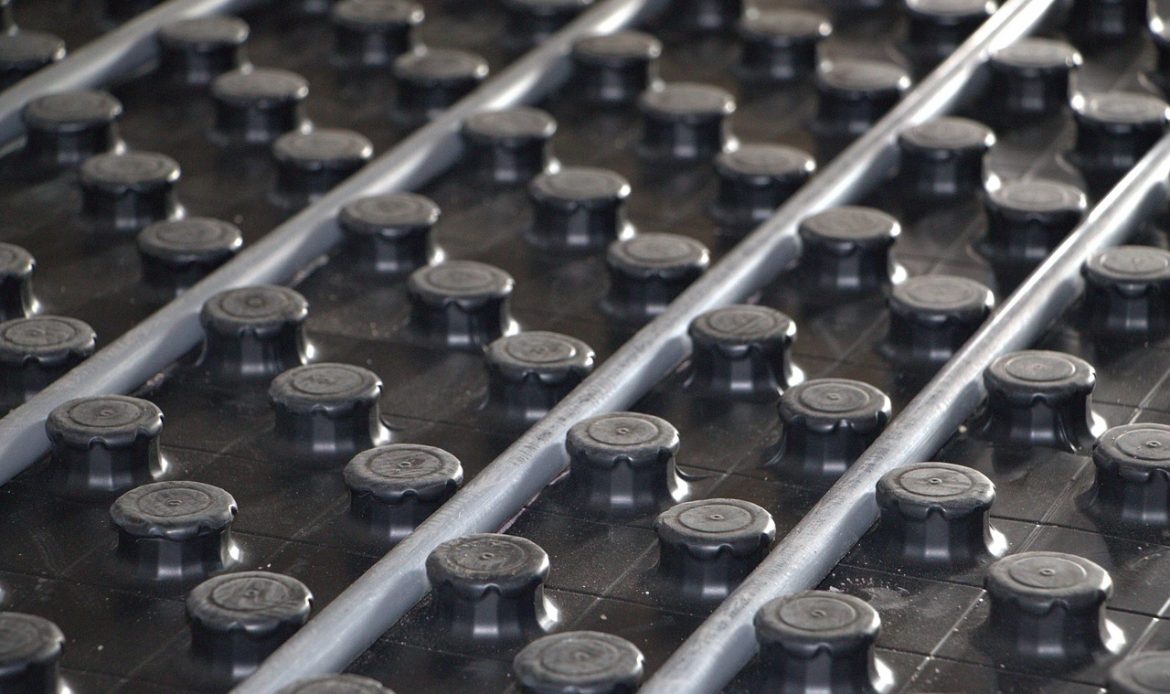
Underfloor Heating in 2026 Shaping Home Comfort
Underfloor heating has evolved into a must-have feature for modern homes throughout 2026, moving beyond luxury and marking its place as a practical solution for both new builds and renovations. Current systems harness a blend of advanced smart home technology, innovative zoning controls, and energy-efficient design strategies. These innovations have reshaped how warmth is delivered and managed, leading to a transformation in home comfort and energy consumption.
The Latest Trends Driving Underfloor Heating Excellence
Households across the UK and internationally have begun to expect a new level of personalization in home heating. Zoning takes center stage as systems are tailored to heat individual rooms according to use and preference. Cutting-edge smart thermostats now integrate with whole-home automation platforms, allowing detailed scheduling and even remote operation from mobile devices.
Advancements do not stop at convenience. Lower operational temperatures and improved insulation pair with adaptive automation to reduce waste and cut heating bills dramatically. Many homes with underfloor heating in 2026 are reporting up to thirty percent lower annual energy costs compared with conventional radiator setups. These savings come not just from the efficient distribution of warmth, but from fine-tuned scheduling that ensures no space is heated when not needed. The most advanced controls adapt output based on occupancy, weather forecasts, and even renewable energy input, making it easier to meet strict energy efficiency standards.
Retrofitting has become more straightforward than ever, with ultra-thin overlay mats and pipes allowing older properties to adopt modern systems without extensive floor buildup or disruption. Whether for a brand new home or a heritage property, underfloor heating solutions now exist for nearly every installation scenario.
Electric and Hydronic Systems Compared in Real Homes
Two main technologies dominate underfloor heating in 2026. Electric systems and hydronic (water-based) setups. Each presents clear benefits and some key considerations depending on property type, intended use, and budget.
Electric underfloor heating appeals because of its straightforward installation. Ultra-thin cables or mat systems slide directly below the finished floor, making them a prime choice for retrofits and single-room projects such as kitchens or bathrooms. While the upfront investment is often lower, electric systems typically suit rooms where only occasional use is required. Running costs depend on electricity rates and hours of operation.
Hydronic underfloor heating involves a network of pipes circulating warm water beneath the surface, typically powered by a boiler, heat pump, or connection to renewable sources. These setups tend to occupy a higher price bracket at installation, especially in full-house applications. However, their improved efficiency and potential for integration with renewable energy deliver much lower ongoing costs. Hydronic systems shine in large or frequently used spaces, making them the best choice for whole-home comfort, especially when paired with a modern heat pump.
For those evaluating between the two, electric systems bring simplicity and minimal disruption, while hydronic solutions reward long-term planning and larger projects with superior savings and efficiency.
True Costs in 2026 Installation Expenses and Running Costs
Realistically budgeting for underfloor heating means taking into account both the up-front supply and fitting costs as well as the day-to-day expense of running your chosen system. In 2026, electric underfloor heating installation typically starts from around thirty-five pounds per square meter, making it attractive for limited areas or targeted upgrades. Hydronic systems carry more expense due to the equipment, materials, and more complex labor, with supply and fit costs often settling between seventy and one hundred twenty pounds per square meter. Retrofitting older homes can edge prices up toward one hundred ninety pounds per square meter, particularly where extensive subfloor preparation is required.
Once installed, operational expense highlights a key division. Hydronic heating users often see annual bills between two hundred ninety and five hundred pounds for a well-insulated, average-sized home, especially where smart controls and zoning help restrict unnecessary heating. Electric zones come with higher unit energy costs but shine in spaces where use is limited to peak periods. Water-based systems deliver the best return when running for longer stretches, especially in homes with efficient heat pumps or connections to renewable sources like solar panels.
Standing Out Comfort and Health Gains From Radiant Heating
The appeal of underfloor heating in 2026 runs deeper than just reduced bills. Radiant heat creates an atmosphere of even and consistent warmth throughout every corner of the house, as it does not rely on pushing air around with ducts or fans. This not only removes the chill underfoot but replaces draughts and cold spots with gentle comfort. Every surface stays at a balanced temperature, creating a natural, enveloping sense of wellbeing.
People concerned about allergies or respiratory health have discovered tangible benefits. Radiant floor heating dramatically cuts the movement of dust, pollen, and airborne particles by avoiding forced-air circulation. Many see a marked improvement in indoor air quality and less aggravation from allergens. Energy performance is a major draw, too. A well-designed radiant system is up to thirty percent more efficient than conventional radiators or hot air systems. Reductions in maintenance and absence of exposed pipes or radiators give homes a cleaner, more flexible layout for furnishing and design.
Choosing the Best System for Your Property and Needs
When deciding which underfloor heating solution fits best, context and end goals shape the answer. New builds have full flexibility to integrate hydronic systems at the slab stage, leveraging the best efficiency and future options. Water-based systems integrate especially well with renewable heating sources and become central to a sustainable, future-proofed approach. During significant renovations, hydronic setups work best when floors are being replaced or rebuilt, allowing for a seamless and robust fit.
For smaller spaces, bathrooms, and single-room upgrades, electric underfloor heating excels. Installation is swift, disruption is minimal, and comfort gains are immediate. Retrofitting has become accessible through slimline mats and overlay options that preserve heritage floors and original finishes without deep excavation.
Zoning and advanced smart controls continue to broaden possibilities. Homeowners now routinely program separate heating schedules for each room, adapting comfort to when and where it matters most. Integration with wider home automation and monitoring maximizes savings and lets the heating system adapt intelligently in real time.
Homeowners are also encouraged to consider insulation upgrades at the same time, which amplifies efficiency and magnifies the return on any heating system. Pairing a well-chosen system with strong controls and insulation generates the most value, comfort, and savings.
The Future of Home Comfort Is Radiant and Smart
The underfloor heating landscape in 2026 is defined by its ability to offer comfort, control, and efficiency beyond what was imaginable only a decade ago. Advancements in smart technology, home automation, and flexible installation have broadened the appeal to fit nearly every home and lifestyle. Whether opt for the simplicity of electric matting in a bathroom or invest in a full hydronic system for a new build, radiant underfloor heating offers meaningful reductions in energy bills and improvements in daily life.
The best outcomes arise when heating choices are paired with advanced controls, thoughtful zoning, and a sharp focus on energy-saving insulation. This combination delivers predictable warmth and lasting value, all while supporting adaptable designs for the next generation of sustainable homes.
Those looking to upgrade or build anew have more choice and information than ever. Make the most of these new possibilities by focusing on efficiency, comfort, and smart integration. When you choose a modern underfloor heating system tailored to your property, the return is not just in savings. It comes every time you walk through your door.
For more expert guidance on integrating underfloor heating or to stay updated with the latest in smart home technology, explore advanced AI-powered tools like those used by modern industry leaders. The path to effortless comfort and lasting energy performance begins with making informed decisions and embracing the latest innovations.