
Underfloor Heating in 2026 – Top Innovations and Smart Upgrades for Modern Homes
Stepping into the future of home comfort means embracing a wave of transformation in underfloor heating systems. The year 2026 stands out as a pivotal moment where energy efficiency, technological sophistication, and user-centric design have elevated the role of underfloor heating in modern UK homes. Whether you are planning a new build or renovating an existing property, understanding the latest trends will help you select the ideal system for your lifestyle and budget.
Breakthroughs in Underfloor Heating Technology and Materials
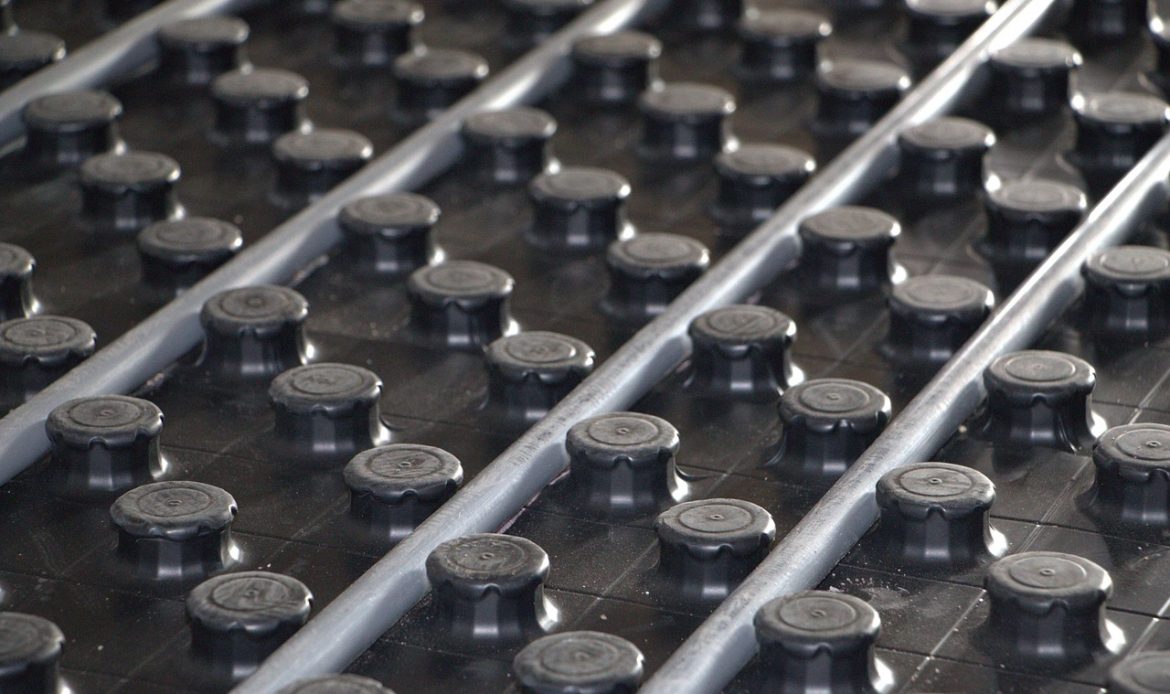
Recent advancements have introduced ultra-thin heating mats and low-profile systems that fit effortlessly into a variety of floor constructions, making underfloor heating more accessible even in older properties. Innovative providers, such as Ambiente Heating, are showcasing systems designed for diverse applications, allowing for minimal disruption during retrofits and fast installation. The emphasis on sustainable materials is growing as manufacturers work to ensure components offer long lifespans and excellent recyclability. Integrating water-based underfloor heating with renewable energy sources, especially air and ground source heat pumps, is no longer reserved only for new-builds or high-end self-builds. The compatibility of modern systems with low-temperature operation secures both efficiency and comfort, providing gentle, consistent warmth for every room.
Technical breakthroughs also address historical pain points. Sensors imbedded in the subfloor are now able to monitor and react to occupancy and external temperature, sending data to connected control panels for truly responsive heating. Paired with improved insulation standards, households are poised to benefit from increased comfort and notable drops in energy consumption.
Smart Thermostats and Zoning Controls Redefining Comfort
The integration of smart thermostats has become one of the most defining advancements in underfloor heating by 2026. New models offer homeowners tailored control over every part of their living space. With multi-zone management, each room can maintain its own temperature, ensuring you only heat the areas you use at any given time. Leading systems, like those developed by Heatmiser, are making it possible to schedule heating around daily routines, fine-tuning warmth for comfort and reducing unnecessary energy usage.
Automation is at the heart of modern control. Thermostats equipped with AI-driven learning adapt settings based on household patterns, weather forecasts, and even occupancy. Remote management has moved from novelty to expectation – users set, monitor, and adjust heating from their smartphones or integrate with broader smart home ecosystems. These controls not only deliver day-to-day convenience but also help properties achieve improved EPC ratings and lower annual energy bills. The result is a home that feels personalised and effortlessly efficient every day.
Water versus Electric Systems Comparisons and Running Costs
Selecting between a water (wet) or electric underfloor heating system depends on your priorities, space, and project scope. Upfront installation prices differ considerably. Water systems range between £70 and £190 per square metre for most UK homes in 2026, proving cost effective when fitted throughout larger areas or during substantial upgrades. Their biggest strength lies in ongoing savings. Households typically witness a substantial drop in heating bills – often between 25 and 30 percent compared to standard radiator setups, especially when smart zoning maximises efficiency.
Electric systems come with lower upfront complexity and installation cost, often tallying between £40 and £90 per square metre. They are particularly appealing for single-room renovations or smaller projects. However, the higher price of electricity versus gas means these systems may incur increased running costs in the long term. Their primary advantage remains quick installation and flexibility in retrofitting, ideal for adding the luxury of underfloor warmth to bathrooms or kitchens where conventional radiators feel intrusive.
Modern regulations now cap water underfloor systems’ operating temperatures at 55°C, driving energy efficiency further and helping homeowners remain compliant with the UK’s tightening building standards. Every successful installation still hinges on well-executed insulation, preventing heat loss and extracting full benefits from any chosen system.
Changing Landscape of Government Incentives and Sustainability Trends
Incentives introduced by the UK government continue to make the switch to underfloor heating more attractive in 2026. Homeowners are eligible for guidance and, in some cases, financial assistance when selecting energy-saving upgrades, such as combining underfloor heating with heat pumps. The ECO4 energy efficiency scheme is ongoing, helping to reduce upfront costs and encourage wider adoption, especially for systems operating at lower temperatures. Ongoing government evolution of heat performance and efficiency targets is pushing the market toward cleaner, future-ready technology.
A strong sustainability push is shaping retrofits in older homes, apartments, and post-war builds, where efficient underfloor heating paired with improved insulation extends access to comfort and long-term savings. The rise of renewable energy sources, whether solar power or heat pumps, aligns perfectly with energy-saving underfloor solutions. As thermal standards tighten across the industry, responsible product selection now delivers not only personal comfort but also greater value for the environment.
Answering Common Underfloor Heating Questions in 2026
For many UK homeowners, navigating this evolving landscape brings familiar questions. Retrofitting underfloor heating is often achievable, particularly thanks to ultra-thin mat and low-profile water systems designed with renovation in mind. Installation best practice always starts with a level, clean subfloor, ensuring strong heat transfer once the pipes or cables are in place. Water-based systems work especially well when linked with thermal stores to balance low-flow temperatures with other home heating needs.
Routine maintenance has become easier, with most modern setups requiring little beyond occasional inspections and prompt attention to any drop in performance. For maximising efficiency, focus on a total floor covering tog value beneath 2.5, matching the flooring you select to the heating type for optimum effect. Smart controls, improved components, and better guidance are making it realistic to expect decades of reliable, energy-saving warmth from well-chosen underfloor heating.
Finding the Right System for Your Evolving Needs
Selecting the right underfloor heating system is a question of balancing your property’s requirements, your efficiency goals, and your desire for future-proof comfort. Water-based systems now provide outstanding long-term value, especially when installing across larger spaces or as part of a deep retrofit. Electric solutions keep making sense for small-space renovations or for adding warmth to select rooms on a timescale and budget that suits home improvement schedules.
Homeowners and renovators have unprecedented flexibility in 2026, combining system types, smart zoning, and intelligent scheduling to control costs and personalise indoor environments. Modern systems support broad compatibility, not only with renewables such as heat pumps but also within connected smart homes. The freedom to automate, monitor, and optimise heating is delivering tangible savings and greater comfort in daily life.
Bringing It All Together for a Smarter, Greener Home
Embracing the latest innovations in underfloor heating opens up a world where comfort meets efficiency without compromise. In 2026, technology has placed complete climate control in the hands of homeowners. The convergence of smarter thermostats, enhanced materials, and government-backed sustainability initiatives builds a compelling case for choosing underfloor heating as a cornerstone of the modern British home.
The next step is choosing a system that moulds seamlessly to your lifestyle. Whether upgrading room by room or fitting out an entire property, now is the time to take advantage of energy-saving advances and future-ready features. This path leads not only to a cosier, smarter indoor environment but also supports the wider movement toward sustainability and lower energy bills. For tailored guidance, consider speaking with trusted installers and specialists who can ensure every detail is right for you.
Seeking more insights as you explore your home upgrade options? Stay connected and empowered by following the latest updates, expert tips, and innovations in home heating.