
Underfloor Heating in 2026 – Smart Features, Green Upgrades, and Market Growth
Creating an energy-efficient, comfortable living space is a top priority for homeowners in 2026. Underfloor heating has risen to prominence, largely due to its seamless integration with smart home technologies, outstanding energy performance, and growing sustainability credentials. The latest systems combine intelligent design with advanced connectivity and new eco-friendly approaches, making them a central feature in modern home renovations and new builds.
The Latest Smart Innovations for Effortless Temperature Control
Smart thermostats have undergone a complete transformation. Today’s underfloor heating is built around digital controls that offer precise, room-by-room management. Learning algorithms now adapt to lifestyles, automatically tweaking heating schedules based on when rooms are used. Homeowners can easily create zones throughout their house, optimizing comfort while controlling energy expenses. The convenience factor ramps up even more with remote access. Dedicated apps provide the ability to adjust temperatures or switch heating on and off from anywhere with a smartphone.
IoT integration features have become standard across premium systems. Interconnected devices allow underfloor heating to coordinate with other smart home elements such as lighting, security, and ventilation. Not only does this streamline energy use, but it also means a single app can control a complete suite of household functions, increasing overall efficiency. These platforms often include voice assistant compatibility, paving the way for touch-free convenience.
Learning algorithms go beyond daily scheduling. They analyze user patterns, detect shifts in occupancy, and optimize heating output minute by minute. This leads to tangible reductions in energy usage, with the best new thermostats capable of monitoring both indoor and outdoor temperatures to strike the perfect balance between comfort and cost.

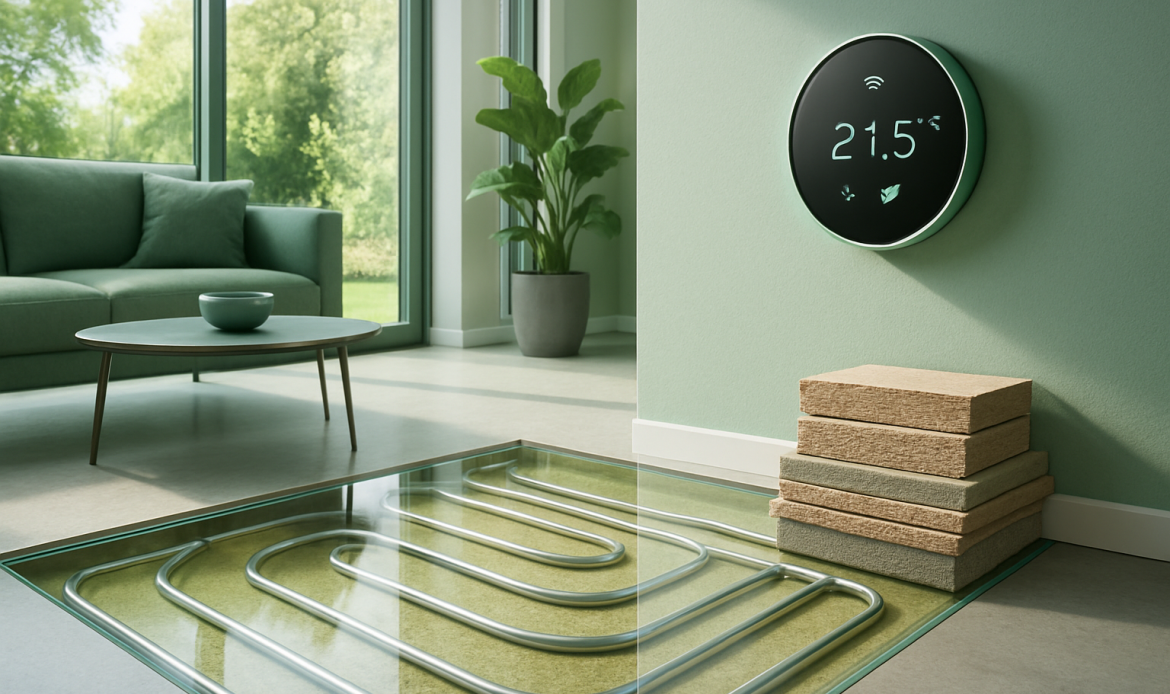
Smart underfloor heating transforms comfort and energy management in connected homes for 2026.
Energy-Efficient Systems Redefining Modern Comfort
Recent advancements in underfloor heating focus on maximizing efficiency without sacrificing ease of use. Water-based (hydronic) underfloor heating now integrates seamlessly with renewable heating sources. Pairing these systems with heat pumps or solar panels delivers energy savings substantial enough to meet stricter building standards and lower operational costs. Leading systems now offer efficiency gains of twenty five to forty percent compared to conventional radiators, thanks to the unique way heat is distributed gently throughout the space.
Electric underfloor heating systems have also seen big improvements. Modern electric mats use ultra-thin materials and smart sensors to minimize power consumption. This technology enables a more responsive heating experience and is particularly effective in small or awkwardly-shaped rooms where water-based solutions are less viable. Many electric systems use data-driven controls to monitor energy use and automatically power down during periods of inactivity, meaning smarter homes and trimmed utility bills.
Building Greener Homes with Sustainable Solutions
Sustainability sits at the heart of underfloor heating innovation in 2026. System manufacturers now emphasize the use of recycled and low-impact materials in heating pipes and insulation boards to minimize the overall carbon footprint of installations. Hydronic pipes with extended guarantees and recyclable insulation layers are helping to ensure longevity and responsible waste management at the end of a product’s life cycle.
Smart underfloor heating aligns perfectly with renewable energy technologies. Combining a heating system with air or ground-source heat pumps unlocks ultra-low temperature operation and maximizes the share of renewable energy in the home. Integration with solar panels allows homeowners to use clean electricity, further lowering emissions and operational costs.
Thermostats, controllers, and even system packaging are now evaluated for their environmental credentials. Advanced systems feature biodegradable or easily recyclable parts, and brands in the sector are paying close attention to energy ratings and supply chain impacts. Installers and suppliers are also offering retrofitting services to upgrade older properties with greener technology. These efforts pave the way for both sustainable new construction and the responsible renovation of existing homes.

Sustainable underfloor heating works alongside renewable technologies like solar and heat pumps for a greener future.
Market Growth and Why Underfloor Heating Attracts More Homeowners
Interest in underfloor heating is at a record high. This sector is experiencing rapid growth, with global revenues projected to reach between seven and eight billion dollars by the start of the next decade. Europe maintains a strong market presence, thanks to a focus on energy efficiency, regulatory support, and a growing preference for sustainable home upgrades.
There are several reasons behind this upsurge. Homeowners are increasingly seeking integrated home solutions that combine cost savings with improved living standards. Underfloor heating provides exceptional comfort, eliminates cold spots, and often supports more open, minimalist interior design, since there is no need for radiators or wall-mounted heaters. Its compatibility with both new construction and retrofitting projects makes it versatile for varying budgets and property types.
Government incentives, stricter environmental codes, and a wider range of certified installers are turning underfloor heating into an easy choice for those committed to sustainable and smart living. This market transformation is helping to future-proof properties, with systems that can adapt and grow alongside other smart home automations.
Smart Tips for Upgrading Existing Floors
In 2026, underfloor heating installation is more accessible for upgrading older homes and enhancing comfort in specific spaces. Advances in low-profile hydronic and electric mat systems make it possible to retrofit floors with minimal disruption to the building’s structure and height. Professional installation almost always starts with a detailed assessment of the floor’s existing layers and insulation quality, ensuring maximum performance and efficiency for years ahead.
When planning an upgrade, prioritize systems that offer integrated zoning and compatibility with heat pumps or renewable energy sources. Look for high-grade, recycled insulation materials to enhance efficiency and keep ongoing energy bills under control. Many manufacturers offer retrofit kits designed to work seamlessly with common flooring types such as tile, engineered wood, or luxury vinyl, further broadening the range of renovation projects.
A well-chosen upgrade increases the value of the home and enhances comfort, while digital controls and smart scheduling features deliver tangible savings. The presence of underfloor heating is often seen as a premium feature when it comes time to market or sell a property. For best results, always work with an experienced installer who can recommend the most effective solution for each specific project.
Bringing It All Together in 2026
Underfloor heating has reached new heights, combining the best of smart home connectivity, refined energy efficiency, and a clear focus on sustainability. Whether you are building fresh or looking to upgrade existing spaces, 2026 presents more possibilities than ever for tailoring comfort, saving money, and reducing environmental impact in every room.
A forward-thinking underfloor heating system forms the foundation of a truly modern home. With intuitive controls, seamless IoT integrations, low-impact materials, and an industry-wide drive towards green energy, making the switch is a decision that adds both comfort and lasting value.
Are you considering an upgrade or a brand-new system for your renovation? Start with a qualified specialist who can help you choose a solution that fits your type of property, your heating priorities, and your commitment to sustainability. Embrace the future of home comfort by taking control today. An investment in smart underfloor heating will pay dividends for years to come.