
Underfloor Heating in 2026
Underfloor heating has advanced rapidly and its place in the modern home is stronger than ever. Energy-saving innovations, smart upgrades, and new eco-friendly combinations with heat pump technology are now defining the heating sector. If you are considering an upgrade, or simply want reliable information on real costs and technical choices, this guide covers the essentials for 2026.

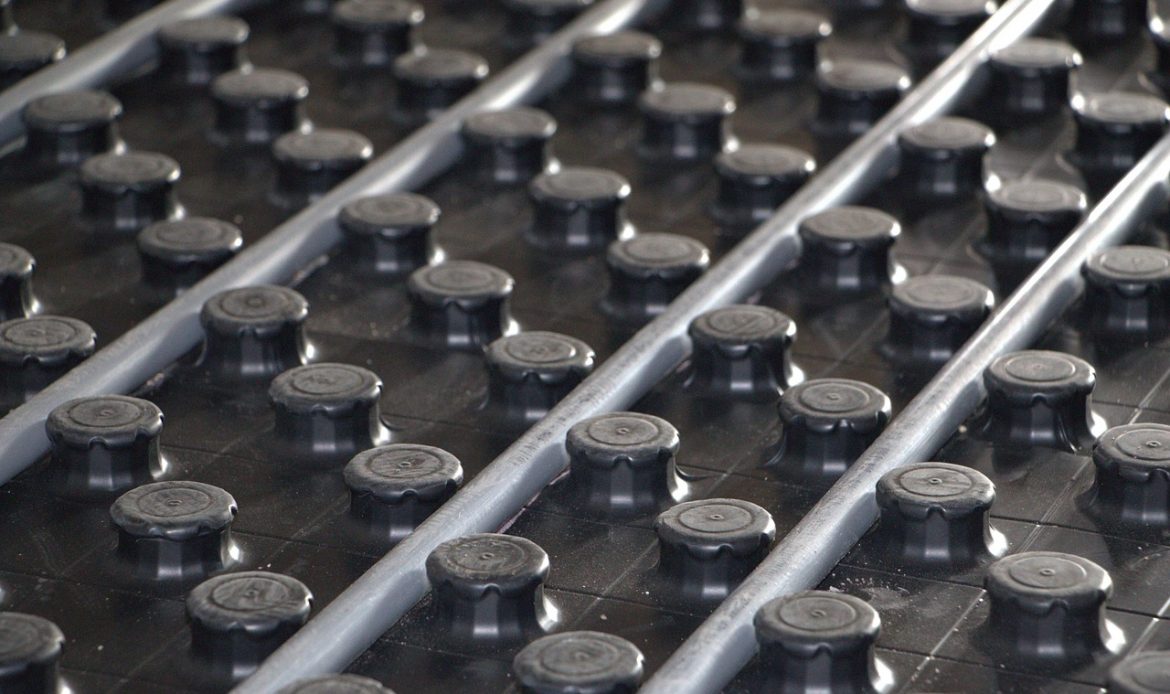
Underfloor heating systems are being installed in more new homes in 2026, offering energy savings and modern comfort.
The Biggest Underfloor Heating Trends This Year
The global underfloor heating market is on a steady rise, projected to reach over $7.3 billion by 2030 with annual growth nearing eight percent between 2025 and 2030. Advanced water (hydronic) underfloor heating is at the heart of the movement towards eco-friendly homes, operating on efficient, low-temperature designs that are perfectly matched with modern heat pumps. Builders and renovators have moved away from outdated high-temperature systems, instead embracing heated floors that distribute steady warmth while supporting lower carbon outputs.
Modern electric systems are not standing still either. They are designed with improved insulation layers and advanced cables that reach comfortable temperatures quickly while keeping energy consumption in check. For homes where major plumbing modifications are impractical, electric options provide effective room-by-room upgrades, especially in smaller spaces or where a faster, less-intrusive installation is preferred.
Low-temperature water underfloor heating, which now operates at flow temperatures capped at 55 degrees Celsius, is popularly used with air source heat pumps. This combination is celebrated for delivering gentle, even warmth and impressive energy savings. The shift in building regulations, such as the updated Part L guidelines, calls for energy targets to be met without waste, making this setup standard practice in future-proof new builds.
Trends defining underfloor heating in 2026 include:
– Seamless pairing of water-based systems with heat pumps for superior energy efficiency
– Rapid progress with smart, app-controlled thermostats for both water and electric systems
– Flexible “zoning” for personalized comfort in different rooms
– Modular systems for refurbishment and new-build compatibility
– Greater attention to sustainable materials and recyclable system components
Integrating Underfloor Heating With Heat Pumps for Low-Carbon Comfort
One of the stand-out developments this year is the close relationship between underfloor heating and renewable energy sources. When paired with an air source or ground source heat pump, a well-designed water-based underfloor system can yield up to four times the heat output for every unit of electricity consumed, dramatically increasing overall energy efficiency. These systems excel because underfloor heating can deliver warmth at the lower water temperatures called for by heat pumps, reducing energy waste and supporting national carbon goals.
This partnership is now a benchmark for low- and zero-carbon homes throughout the UK and much of Europe. With the cost of energy a primary concern for households, efficient, heat pump-led underfloor heating systems have become not only a mainstream choice for new builds but also a top priority for renovators upgrading existing properties.
Underfloor Heating Costs in 2026: Practical Numbers and Regional Differences
Decision making begins with clear costs. In 2026, water underfloor heating typically costs between £70 and £120 per square metre for supply and installation, with the higher end seen in regions like London and the South East, while savings are more common in northern and rural areas. On average, running a well-installed water system lands between £290 and £500 per year for an average home. Electric underfloor heating solutions tend to have a wider running cost range. Where installation is straightforward and usage is carefully managed, they deliver cost-effective results for smaller spaces, yet may drive higher electric bills if used for large, continuously heated areas.
For residents in the US, the figures shift slightly, with overall installation costs typically ranging from $10 to $18 per square foot and whole-house installations often landing between $10,000 and $34,000, depending on the size of the home and chosen system.
What Drives Underfloor Heating Costs?
- Labour and location: Heavily populated regions and cities tend to have higher labour rates, with supply chain costs also contributing to local variations
- System type and complexity: Multi-room and advanced zoning systems require more planning, more controls, and specialist installation
- Property type and existing floor structure: New builds offer easier routings, while retrofits may require floor removal or reinforcing, affecting both budgeting and timelines
Savvy homeowners are demanding detailed quotes, seeking reputable installers who walk them through planning, preparation, and ongoing maintenance. This level of transparency is helping owners find genuine value while avoiding surprise expenses. With automation tools widely used in other industries, the underfloor heating market is increasingly following suit with integrated project planning applications that simplify everything from material ordering to installation tracking.
Smart Controls and Energy-Saving Upgrades for 2026
One of the most exciting areas of underfloor heating this year lies within smart home technology. New thermostats now support intuitive mobile apps, advanced time scheduling, and adaptive learning algorithms that fine-tune heating according to your daily habits. Deep room-by-room zoning, detailed consumption statistics, and remote management features make it easier than ever to cut waste and optimize comfort.

Smart thermostats in 2026 allow greater control of underfloor heating, improving both comfort and efficiency.
Industry leaders now offer deep scheduling and automation. These capabilities respond to outdoor temperatures, occupancy patterns, and even energy price fluctuations if the system is connected to a smart energy tariff. With the right control infrastructure, owners gain precise control over warm-up and cooldown cycles for each room without daily manual intervention.
Water Versus Electric Underfloor Systems: The Practical Pros and Cons
Every home and every room poses unique demands. Water-based underfloor heating is recognised for its synergy with renewable energy and its low running costs over whole properties, especially larger or multi-room settings. The slower heat-up time is usually offset by consistent, energy-efficient warmth that works beautifully as a “set and forget” system for living areas, open-plan spaces, and whole homes.
On the other side, electric underfloor heating delivers pinpoint heat-up speeds and is commonly chosen for bathrooms, smaller bedrooms, and where installation simplicity matters. There is no need for significant changes to pipework or flooring thickness. These systems excel when efficiency is calculated for targeted, short bursts of heating. However, electricity costs usually mean that using electric systems for continuous, all-day heating or for entire properties will run up higher utility bills compared with water-based alternatives.
Where Both Systems Shine
- Water underfloor heating works best in newly built or renovated homes looking for seamless integration with heat pumps or solar
- Electric underfloor heating is ideal for quick bathroom upgrades, heating smaller spaces, and targeted thermal comfort where plumbing disruption should be avoided
The trend is leaning towards multi-system homes, where a water-based solution covers the main living zones and electric mats are used for “booster” warmth in secondary rooms. Modular thermostats and unified smart controls make this hybrid model intuitive to manage even for those new to smart home technology.
Owners find the most balanced results when they commit to professional planning, quality system components, and energy-smart controls. As buildings become more connected and sustainability targets grow tougher, choosing efficient, future-ready underfloor heating is often one of the soundest investments for long-term comfort.
The Takeaway for Homeowners Planning Ahead
Underfloor heating has transformed from a luxury into an energy-smart, accessible choice for homes across the world. The move to low-temperature water systems, deepened by integration with heat pumps and sustainable tech, sits right at the centre of the 2026 green building movement. Installation costs are clearer than ever, with transparency driving fair value and reducing the risk of unexpected overruns. Owners are empowered by intelligent, intuitive controls that truly deliver both comfort and savings.
If you are aiming to build or renovate for the next decade, this is a time for bold decisions. Research system types, get expert advice, prioritise proper design and smart controls, and focus on energy-conscious living. The payoff shows itself not just in comfort and style but in real savings and a lighter environmental footprint.
Smart, sustainable heating is no longer a hope for the future. It is already making 2026 homes warmer, more efficient, and more valuable. Are you ready to take your next step towards an intelligent, energy-efficient home? The possibilities are quite literally right under your feet.