
Underfloor Heating in 2026 – Trends, Cost Savings, and Updated Regulations for UK Homes
Energy-efficient comfort has taken centre stage in UK homes, and underfloor heating sits at the forefront of this evolution. With fresh regulations and smarter technology, 2026 marks a pivotal year for those considering this type of heating system. Whether you’re planning to fit out a period property or a modern new build, understanding the most current trends and rules can make a significant difference in your investment.
New Regulations for a Greener Home Environment
A new standard has been set for water-based underfloor heating systems in the UK. Regulations now require new or fully upgraded installations to operate at a maximum flow temperature of 55°C. The aim is clear: reduce carbon emissions and make home heating more compatible with renewable energy sources. This lower limit not only boosts energy efficiency but also futureproofs your home for evolving green standards. Systems built with these requirements in mind are a natural fit alongside air and ground source heat pumps, which also favour low operating temperatures. These changes reflect a drive toward lower environmental impact and long-term savings for homeowners.
Trends Reshaping Underfloor Heating in 2026
Markets across the UK show that digital transformation has woven its way into every aspect of home heating. Smart controls have become the gold standard this year, empowering you to schedule, adjust, and monitor your heating zones directly from your phone or voice-controlled device. These systems let you fine-tune comfort levels in each room individually. Modern water underfloor heating, for example, works in harmony with wireless thermostats and predictive schedule algorithms, learning your routines and shaping heat delivery for optimal savings.
Both water (hydronic) and electric systems have seen efficiency upgrades thanks to these innovations. Expect quicker response times, adaptive power management, and built-in safeguards to prevent energy waste. Many systems now offer remote maintenance diagnostics, reducing downtime and keeping servicing costs predictable over the system’s lifespan.
Upfront Investment and Real-World Cost Savings
Budgeting for underfloor heating in 2026 depends on your choice of system and property type. For water (wet) systems, supply and installation costs typically span £90 to £190 per square metre, accounting for both materials and skilled labour. Electric systems, often used for single rooms or renovations where height is limited, range between £60 and £120 per square metre. These figures reflect not just the mature market but also the efficiencies brought by better system design, easy-fit components, and tailored solutions for unique properties.
Running costs have steadily dropped as systems operate at lower temperatures and take advantage of advanced insulation and smart controls. Homeowners are seeing annual heating bills between £290 and £500 for a well-installed water system in an average-sized house, undercutting the costs of traditional radiators or older electric heaters. Maintenance is also easier to manage, with routine check-ups now budgeting at £120 to £180 per year due to improved system reliability and early-warning diagnostics. This lower maintenance figure is especially encouraging for those seeking long-term savings.
Long-term, the more efficient your home’s insulation and the smarter your heating controls, the greater the difference you are likely to see on your annual bill. This shift illustrates why so many builders and renovators in 2026 are prioritising underfloor heating when futureproofing energy costs.
Adapting Underfloor Heating for All Property Types
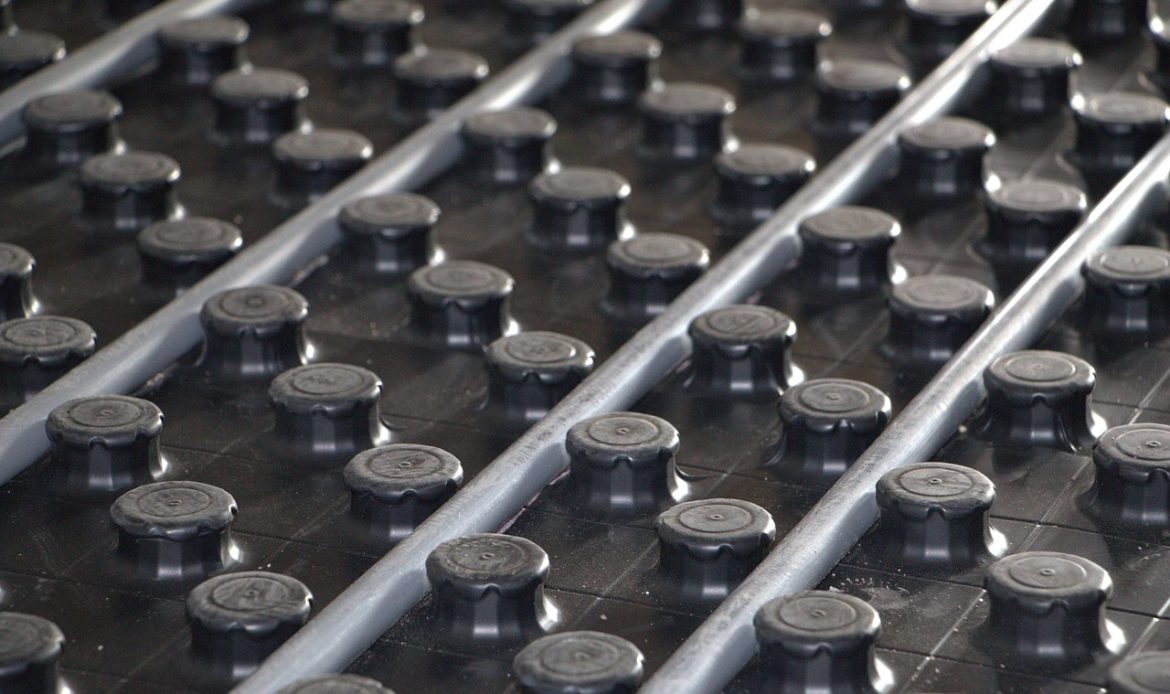
Installation is no longer limited to glossy new builds or high-end homes . Underfloor heating in 2026 has become accessible across just about every property style in the UK. For large period homes or heritage buildings, wet systems can now be mapped to irregular floor plans using low-profile pipework and insulation boards that protect original flooring. Retrofitting into existing properties is far more viable, with installation times reduced through modular designs and minimal disruption to day-to-day life.
Electric underfloor heating continues to be in demand for smaller projects, such as single bathrooms or quick kitchen upgrades. These systems require very little change to the existing structure and are ideal where the property’s floor height cannot be substantially altered. Thorough planning now means you can integrate underfloor heating into extensions, conservatories, converted attics, and renovated ground floors alike.
Consistent advice from installers stresses that insulation is the fundamental success factor, regardless of property type. Insulating boards added beneath the heating system prevent heat loss downwards and ensure maximum warmth is delivered upwards into your living space. Attention to correct installation for each specific flooring material is also core to reliable, safe, and efficient results.
Tips for Maximising Efficiency and Staying Compliant
The majority of cost savings and performance improvements in 2026 are happening where homeowners take an active role in system maintenance and use. Attention to the following expert tips will help you get the most from your new or upgraded underfloor heating system:
- Prioritise high-grade insulation under the heating layer, which keeps energy use low and comfort levels high.
- Opt for digital thermostats with zoning capability. These allow you to control heating times and temperatures room by room, adjusting energy usage automatically according to your family’s routine.
- Keep to the 55°C maximum flow temperature for water systems to meet regulatory requirements, and select system components that are certified for this new standard.
- Schedule annual check-ups. Predictive diagnostics and remote support are now standard, making it simple to prevent problems before they occur.
- Follow supplier advice carefully, especially regarding the compatibility of flooring types and underfloor systems. For example, ensure that carpeted floors do not exceed a tog value of 2.5 to prevent heat blockage.
- Invest in smart controls that integrate with your home’s wider energy management systems or renewables, if applicable. App-based platforms can help you track energy use and savings throughout the year.
Looking Ahead to a Smarter, More Sustainable Home
Underfloor heating has become a key tool in building greener, more comfortable homes for the modern era. The 2026 landscape highlights a shift not only in technology but in mindset . With regulatory clarity, robust cost savings, and highly adaptable installation options, underfloor heating now fits a wider variety of properties across the UK. Smart controls and careful insulation have proven critical, ensuring both immediate comfort and energy efficiency that will stand up to changing regulations.
For homeowners, builders, and renovators, embracing best practices is more important than ever. Meticulous planning, careful product selection, and ongoing attention to compliance make it possible to enjoy quiet, low-cost warmth long into the future.
Curious about how the latest heating innovations could transform your property? Now is the ideal moment to speak with an expert installer or energy advisor who understands the 2026 standards and market trends. When you take action today, you pave the way not just for lower bills but for a stronger, more sustainable home environment.