
Underfloor Heating Trends for 2026 That Will Transform Home Comfort and Efficiency
Innovation is reshaping how UK households experience warmth and energy savings in their living spaces. Underfloor heating stands at the centre of this transformation, with 2026 bringing a wave of advancements designed to raise efficiency, upgrade control, and ensure every system meets tighter sustainability rules. Homeowners and renovators now have an incredible range of options for boosting comfort without sacrificing performance or budget control.
The New Face of Underfloor Heating in 2026
Over recent years, underfloor heating has leapt from a niche luxury to a recognised standard in both new builds and retrofits. The most striking changes in 2026 focus on two key elements: smart control integration and lower temperature operation. High-spec water and electric systems are now expected to excel in both areas, turning the entire home into a series of optimised climate zones.
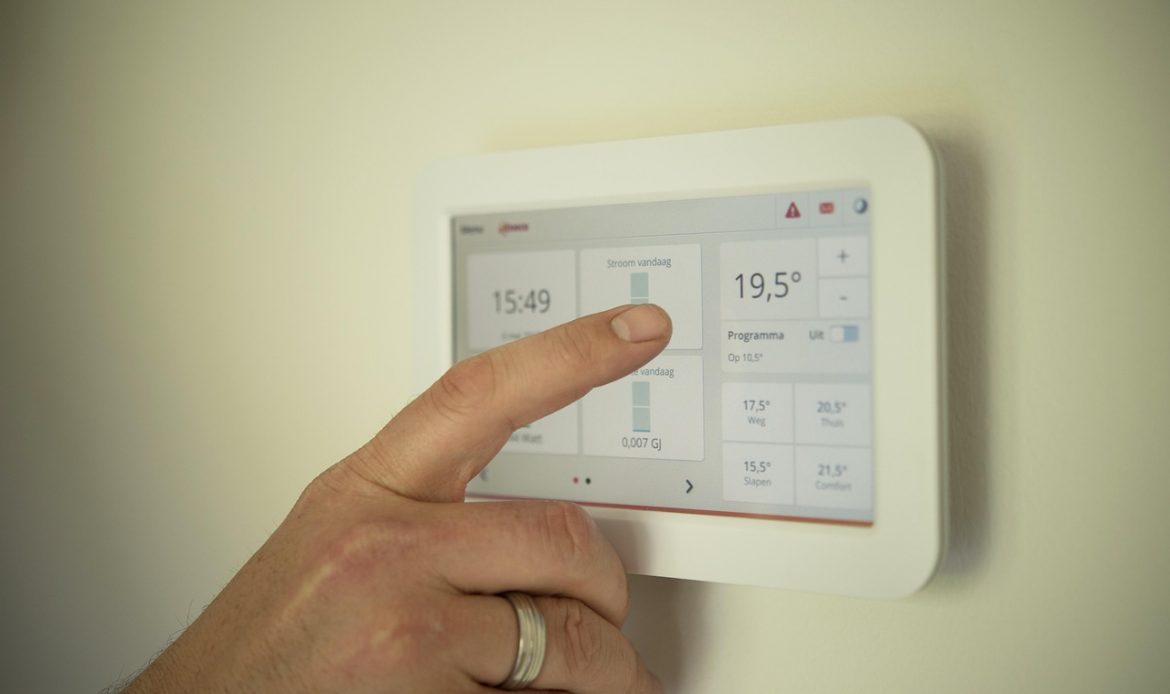
Modern systems make it possible for every room to have its own dedicated smart thermostat. These are not simply digital dials but learning devices that adapt to daily routines and outside conditions. This shift ensures that energy is never wasted on empty rooms or unnecessary heating, giving homeowners far more control over their monthly bills while also maximising overall comfort. Both water and electric underfloor heating now feature compatible options for smart controls, meaning tailored warmth is achievable in practically every household scenario.
Lower Flow Temperatures and System Longevity
A fundamental principle shaping underfloor heating in 2026 is the widespread adoption of low flow temperatures. UK regulations now demand nearly all new and replacement wet underfloor heating systems are configured for a maximum flow temperature of 55°C. This approach aligns perfectly with air and ground source heat pumps, which are fast becoming standard in energy-conscious homes. Lower operational temperatures mean systems run more efficiently and components such as heat pumps, boilers, and pipework tend to last longer.
Low flow temperatures and thicker insulation create an environment where heat is distributed gradually and evenly, reducing sharp swings between hot and cold. Not only does this safeguard expensive hardware, but it also delivers a consistently comfortable living environment that is easier to manage and predict.
2026 UK Regulations and the Home Energy Model
The latest regulatory developments, especially in relation to the Home Energy Model and building standards, are shifting expectations around installation and retrofit. Homeowners and property developers are required to adhere to a maximum flow temperature of 55°C for wet systems in nearly all cases. This rule supports both more efficient operation and a lower carbon footprint, putting energy performance at the heart of every project. Building Regulations such as Part L also play a vital role, driving adoption of high-quality insulation, thorough design planning, and properly zoned heating.
These measures have created strong incentives to upgrade existing properties and to design new builds that surpass minimum efficiency targets. Clear commissioning data, reliable design documentation, and emphasis on compliance ready solutions mean fewer surprises, smoother projects, and better in-use performance.
The Benefits of Energy Efficient Underfloor Heating
Energy efficiency and reduced running costs have become key motivators for installing modern underfloor heating in 2026. Homes equipped with well-designed water systems and purpose-built insulation often report a drop in heating bills of 25 to 30 percent when compared with conventional radiators. Running costs for an efficient three-bedroom UK home typically land between £290 and £500 annually, a figure that consistently undercuts radiator-based systems.
In many cases, the compatibility of low temperature underfloor heating with renewable solutions like air and ground source heat pumps takes savings even further. The system’s design ensures every unit of energy is delivered to the spaces that need it most, avoiding waste and supporting a greener home environment. Zoning rooms leads to highly customisable heating schedules, where smart controls automatically adapt to weather and occupancy, unlocking even more potential for long-term financial benefits.
Choosing Between Water and Electric Underfloor Heating for Every Property
When selecting an underfloor heating system in 2026, the right choice depends on the building type and planned usage. Water, or hydronic, systems are widely regarded as the top choice for new builds and properties undergoing major renovation. They integrate seamlessly with insulation upgrades and renewable heating equipment, providing strong long-term savings. These systems excel in whole-home applications, especially where there is space for pipework and sufficient floor build-up.
Electric systems maintain a niche as an effective retrofit option, especially in spaces like bathrooms, kitchens, and conservatories where disruption to existing floors must be minimised. For rooms under 20 square metres, electric underfloor heating offers a practical solution with less installation upheaval. Height limitations and existing floor structure often steer homeowners toward electric mats or cables, delivering comfort where water systems may not be practical without raising floors.
Best Practices for Installation and System Upgrades
Success with underfloor heating always starts with careful planning and an understanding of the property’s unique needs. The ideal system will consider insulation levels, maximum allowable floor build up, expected occupancy, and the types of flooring in use throughout the home. Reliable suppliers now offer comprehensive design packs including flow rates, pressure guidelines, and full compatibility advice, building in added peace of mind for every installation.
Compliance with the latest standards increases the value of your property and ensures top-tier performance far into the future. When planning retrofits, special attention is needed for room-by-room assessment to select the system best tailored to each space. New-build projects benefit from a cohesive heating design right from the start, helping meet or surpass regulatory expectations without undue cost or complexity.
To keep running costs low and comfort high, many experts now recommend keeping carpet and underlay tog values at or below 2.5, matching insulation standards and making certain that output is not restricted in key zones.
What Lies Ahead for Underfloor Heating
Looking forward, the momentum toward smarter, greener underfloor heating shows no sign of slowing down. Ongoing improvements in digital controls, increased compatibility with renewable energy systems, and the tightening of installation standards point to a future where comfort and efficiency go hand in hand.
Upgrades will focus even more on customisation and automation, giving homeowners detailed insight into how each room performs and how quickly they can recover their investment. Retrofits will become easier with slimmer, more efficient electric and water systems designed to slot straight into existing homes without extensive changes. Every innovation is underpinned by an industry-wide commitment to supporting UK carbon reduction goals and regulatory compliance.
Preparing for an Upgrade or New Installation in 2026
Choosing when and how to upgrade or install underfloor heating begins with research and the guidance of trusted professionals. The strongest results come from an understanding of new regulations and embracing technology that goes beyond simple thermostats. Zones, smart controls, and high quality insulation all join forces to create living spaces that excel in both comfort and energy savings.
Whether you are building from scratch or breathing new life into an older property, now is the perfect time to prioritise compliance and sustainability. These choices not only safeguard your investment but help secure a home environment fit for the future of British living.
A Final Word for Forward-Thinking Homeowners
Investing in underfloor heating in 2026 is not simply about upgrading to a modern comfort feature. It is a commitment to higher efficiency, smarter living, and real-world energy savings with every bill. The path forward is built on careful planning, solid design choices, and close attention to the latest government standards. Every project, large or small, benefits from this approach.
For those ready to take charge of their home’s comfort and sustainability, the time to act is now. Embrace these underfloor heating trends, let smart technology do the heavy lifting, and enjoy the rewards for years to come.