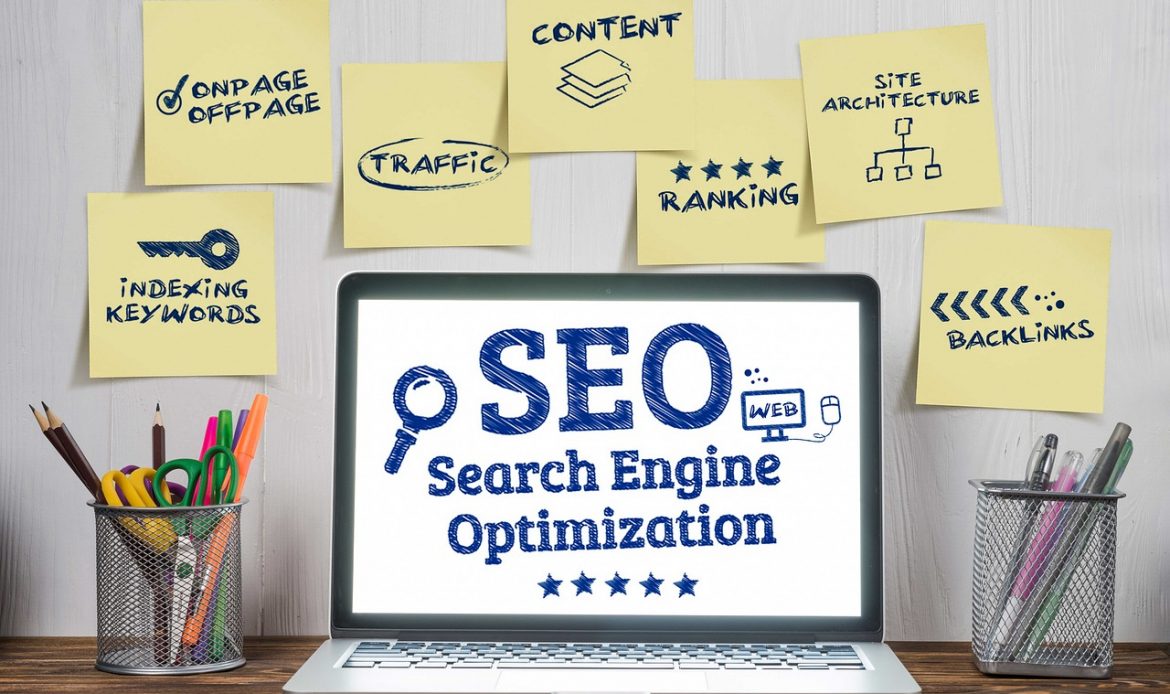
SEO has never stood still, but the shift to AI-powered discovery has given the field an entirely new shape. The familiar world of blue links and position-based rankings is now intertwined with the dominance of Large Language Models (LLMs) that deliver instant summaries, surface direct answers, and distribute visibility through dynamic overviews. For businesses and marketers, unlocking results in this landscape demands a radical rethinking of content strategy, technical execution, and measurement.
The Rise of AI Overviews and LLM-Driven Discovery
Innovations like Google’s AI Overviews, chat-driven results from platforms such as ChatGPT and Perplexity, and smart snippets are rapidly reshaping how audiences encounter information. These engines prioritize context, clarity, and intent-based answers, pulling from wide knowledge pools powered by LLMs. Traditional first-page rankings no longer guarantee top visibility. Instead, the information LLMs provide. Summaries, bullet points, or citations. Steers the journey.
This shift means that high-quality content must be recognized and cited by LLMs. Unlike older algorithms, these AI systems analyze the depth, breadth, and interconnectedness of your content, relying heavily on well-structured information that aligns with the underlying questions consumers ask.
NitroSpark recognized this transformation early, automating the entire process of AI-ready content production for small businesses. By syncing content strategies to how LLMs evaluate authority, context, and trust, NitroSpark users have achieved measurable gains in both search visibility and engagement. Without the uncertainty or high costs of traditional agency models.
Optimizing for ChatGPT, Claude, Bard, and Perplexity
Visibility now means being discoverable by AI engines as well as human users. Each platform. Whether ChatGPT, Claude, Bard, or Perplexity. Draws on established search indexes and prioritizes content with clarity, trustworthy facts, and strong internal relationships. To achieve this:
- Create citation-worthy resources: Comprehensive, well-documented answers are more likely to be surfaced by LLMs. Avoid thin, generic content and invest in detailed, fact-checked writing.
- Use structured data: Schema markup helps AI engines interpret your content and improves the likelihood of inclusion in AI summaries or list snippets.
- Update content frequently: LLMs prefer current, reputable sources. Consistent output, as automated by NitroSpark, keeps your site in the rotation for evolving answers.
- Focus on clarity and engagement: Aim for clear, direct phrasing and avoid unnecessary complexity. Human-friendly, readable content helps LLMs select your pages for summaries.
With NitroSpark, these elements are native to the platform. High-quality article generation, auto-linking, and context-driven publishing give your content the depth and structure needed to stand out in a semantic search world.
Semantic Clustering and Vector Embedding for Topical Authority
LLMs evaluate content at a conceptual level using advanced techniques like semantic clustering and vector embedding. Rather than focusing on single keywords, AI engines organize information by underlying topics and relationships. Topical authority comes from covering an ecosystem of ideas, supported by internal links and relevant context.
For businesses aiming to become the go-to voice in their sector, semantic clusters group related articles, guides, and explanations around core themes. These interconnected clusters mirror the way LLMs understand intent, aligning your content architecture with the algorithms that decide visibility.
NitroSpark automates much of this complexity. Its platform produces not only topical articles but also smart internal linking. Using a ‘Wikipedia effect’. To illustrate connections across your site. This approach boosts your site’s visibility to both users and LLM crawlers, increasingly important as AI-driven search places higher value on authority networks over isolated posts.
Practical Steps to Build Authority
- Organize articles around pillar topics and subtopics, mirroring real-world questions and topics.
- Use internal linking strategies that guide both users and AI crawlers through content clusters.
- Focus on in-depth guides, actionable advice, and contextual FAQs that build out your domain expertise.
By letting NitroSpark handle the ongoing production and connection of these resources, small businesses can compete against much larger competitors. Regular, contextually connected output marks you as an expert source both for human readers and AI discovery engines.
Tracking Brand Visibility with LLM Perception Drift
Staying visible in an AI-first search world requires more than tracking classic keyword rankings. As LLMs become gatekeepers, their “perception” of your brand. How it’s characterized and referenced across AI-driven platforms. Emerges as a critical metric. This phenomenon, known as LLM perception drift, describes the subtle changes in how language models interpret and present brands over time.
Monitoring and responding to this drift involves understanding the signals that influence LLM summaries:
– Brand mentions in trusted contexts
– Positive sentiment in AI-generated overviews
– Consistency of factual, well-structured information related to your brand
Proactive brands use this insight to guide their publishing strategy, emphasizing accuracy, engagement, and topical depth. NitroSpark brings this into reach for all businesses, automating regular publication and update cycles to keep brand narratives current and favorable in the AI ecosystem. Its ability to integrate up-to-date guidelines and content rules ensures your messaging consistently aligns with LLM evaluation criteria.
Future-Proofing SEO with NitroSpark
The demands of AI-first search have outgrown manual tactics and guesswork. NitroSpark stands apart by making LLM-aligned SEO and content optimization accessible, consistent, and scalable. The platform combines automated content generation, internal linking, authority-building backlinks, and adaptable tone settings. All purpose-built for LLM discovery and assessment.
- AutoGrowth Engine: Schedules and publishes content daily or weekly, tuned to both SEO and AI platform requirements.
- Authority Backlinks: Incorporates SEO-safe, high-quality backlinks to strengthen your site’s domain in both traditional and AI-driven rankings.
- Humanization and Brand Customization: Lets you define brand voice, integrate guidelines, and update content rules in real time. Training NitroSpark to evolve with you.
- Internal Link Injector: Automatically connects new articles to relevant pages, forming robust topic clusters detected by LLMs.
From WooCommerce stores to local service providers, NitroSpark enables growth even in crowded spaces. As AI search platforms make the competition ever more challenging, businesses need the right technology to remain relevant, discoverable, and trusted by both customers and LLMs.
The Path Ahead: Adapting Your Content Strategy for AI-First Search
Aligning your digital strategy with the realities of LLM inference starts with a shift in mindset. Instead of optimizing for static rankings, the new priority is maintaining authoritative presence across AI-driven channels. This requires implementing comprehensive AI-first optimization strategies that address both current and emerging search behaviors.
Modern AI-powered search optimization demands consistency, contextual depth, and topical completeness over traditional keyword tactics. The evolution toward conversational search interfaces means content must satisfy both explicit queries and implied user intent.
NitroSpark provides the toolkit for this transition. By embracing automation that is tailored for LLM visibility. From semantic content generation to adaptive internal linking. Your business is ready to meet users where they search next. Understanding how to optimize for generative engine overviews becomes essential as search engines increasingly rely on AI-generated summaries and answers.
Real success will be built on the reliability, context, and trustworthiness of your content, delivered at scale and with less resource demand than ever before. The shift toward LLM-powered search engines requires businesses to think beyond traditional SEO metrics and embrace new forms of visibility measurement.
Are you prepared to shape your brand’s AI persona and secure your space in tomorrow’s search? Let NitroSpark automate your marketing, streamline your growth, and keep your site in front of both users and the AI engines they trust.
Frequently Asked Questions
What is LLM-optimized SEO, and why does it matter in 2025?
LLM-optimized SEO refers to strategies that ensure your content is prioritized and understood by AI models like ChatGPT, Bard, and Claude. As search platforms rely on LLMs for overviews and direct answers, aligning with their evaluation criteria is key to sustained visibility.
How does NitroSpark help boost visibility in AI-driven search engines?
NitroSpark automates the production of structured, comprehensive, and interconnected content that LLMs favor. This approach increases the odds of your site being referenced and summarized by AI-powered platforms, securing more discovery opportunities.
What is semantic clustering, and how does it help with topical authority?
Semantic clustering organizes content around interrelated themes, creating deep networks of expertise. AI models use these clusters to assess domain authority, so grouping articles around core topics and linking them smartly elevates your standing in SERPs and AI summaries.
How can I measure LLM perception drift for my brand?
Tracking LLM perception drift involves monitoring how often and in what context your brand appears in AI-generated summaries. NitroSpark supports this with automated publishing and regular content updates, helping steer and reinforce a positive AI perspective.
How soon can businesses see results with LLM-optimized tactics?
With the right platform and strategy, progress can become visible in just a few weeks. Automated tools like NitroSpark deliver consistent publishing, internal linking, and authority building, accelerating your adaptation and growth in the AI-first landscape.