
Underfloor Heating in 2026 – Latest Upgrades and Smart Energy Trends for Modern Homes
The world of home heating has shifted dramatically, with underfloor heating emerging as a centerpiece for energy-efficient, future-ready design. Homeowners across Europe and North America are embracing systems that offer comfort, savings, and seamless integration with cutting-edge technology. Let’s explore the most important upgrades, the smartest controls, and key regulatory developments shaping underfloor heating in 2026.

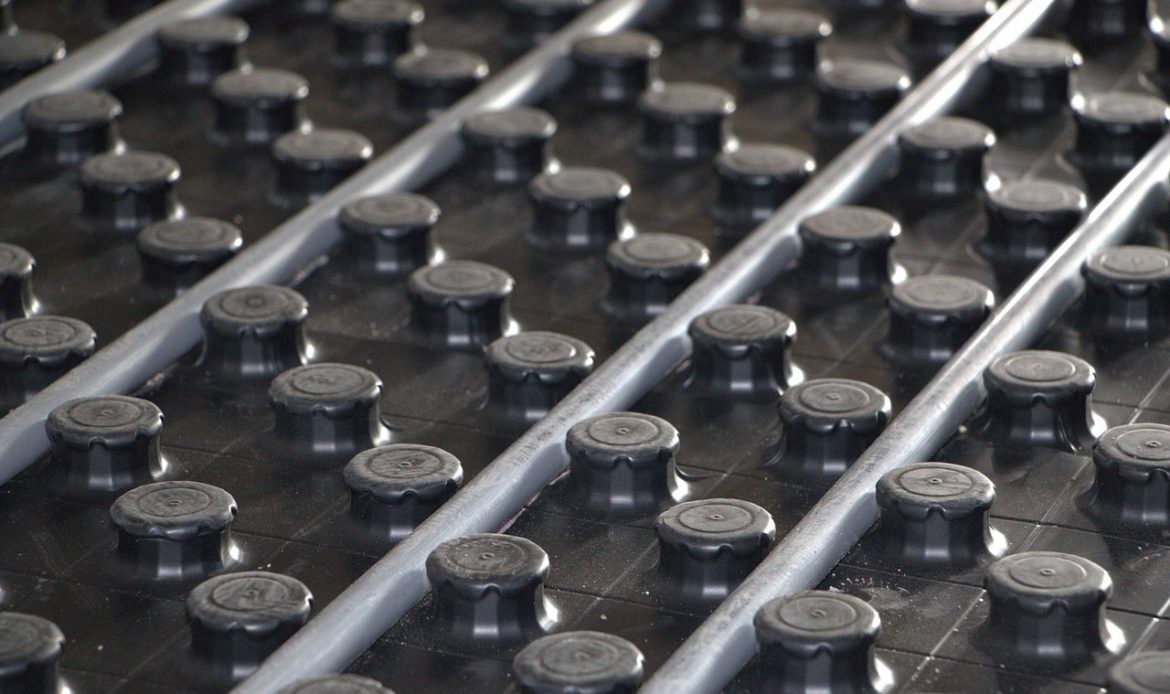
The installation of an advanced underfloor heating system brings invisible comfort to living spaces.
Why Low-Temperature and Energy-Saving Systems Are the Standard
Homes built or upgraded in 2026 tend to rely on underfloor heating because it operates efficiently at much lower temperatures than traditional radiators. Water-based systems maintain flow temperatures between 35 and 55 degrees Celsius, helping reduce energy loss and providing a more even spread of warmth. Property owners discover that rooms feel consistently comfortable without drafts, cold spots, or the bone-dry air common to forced air systems. These advances mean households experience as much as thirty percent greater efficiency compared to older heating solutions.
Recent building codes, especially within the updated Part L regulations, encourage this low-temperature approach, making underfloor heating a solution that satisfies strict energy standards while meeting the needs of modern families. This harmony of comfort and efficiency transforms not only how homes feel but also the monthly costs of staying warm.
Unlocking More Efficiency by Pairing Heat Pumps with Underfloor Heating
The pairing of heat pumps with underfloor heating is quickly becoming a best practice in home energy strategy. Heat pumps deliver consistent warmth by drawing energy from the air or ground and supplying water at lower temperatures, perfectly suited to modern underfloor heating setups. The result is not only reliable comfort but also impressive long-term energy savings. Households can enjoy steady warmth with lower bills.
Industry experts and experienced installers in 2026 often recommend this combination for its remarkable synergy. Underfloor heating works best at the very temperatures heat pumps thrive on, making it easier for both technologies to perform at their highest efficiency. This also extends the lifespan of equipment, creating a win-win for both homeowners and the planet.
The Evolution of Smart Controls and Thermostats for Ultimate Comfort
New thermostat technologies have revolutionized the way homes are heated. The standout feature in 2026 is precise room-by-room management, with models such as the NeoStat V3 and Slimline V4 becoming popular choices for water-based underfloor heating. These smart devices enable homeowners to tailor their heating schedules to daily rhythms, adapt on the fly through mobile apps, and even benefit from algorithms that learn and respond to preferences over time.
Remote control, multi-zone capability, and adaptive scheduling combine to maximize both comfort and savings. Security updates are frequent, keeping systems robust, while integration with broader smart home ecosystems means one interface can manage heating, lighting, and more. The era of fiddling with clunky dials has faded, replaced by intuitive, intelligent interfaces that fine-tune environments with just a tap.

New smart thermostats allow precise and intuitive control over underfloor heating systems.
The Latest on Building Regulations and What They Mean for Your Home
New building codes and sustainability directives in 2026 have clear impacts on heating system choice and installation. The updated Building Regulations Part L in the UK, alongside changes in legislation across Europe and North America, now prioritize efficiency by imposing maximum flow temperatures for heating systems, with most capped at fifty-five degrees Celsius. This standard fits comfortably within the sweet spot for underfloor heating.
Developers and renovators are embracing these systems because they support compliance. For anyone upgrading a property or starting from scratch, understanding these requirements provides reassurance that an underfloor heating investment will stand the test of time. Regulations also encourage better insulation and high-efficiency controls, supporting both carbon reduction targets and practical savings for homeowners.
For those looking to complete projects in older or heritage properties, specialized overlay and low-profile systems are now available to ensure that even sensitive buildings can benefit from these modern comforts, all while satisfying current codes.
Practical Advice for Maintenance and Retrofitting
Modern underfloor heating demands less hands-on attention than many conventional systems but still benefits from careful upkeep. For long-term efficiency, industry professionals emphasize the importance of maintaining steady, moderate temperatures, scheduling annual inspections for water-based installations, and ensuring that system controls receive regular updates.
Retrofitting an existing property is more accessible in 2026 than ever before. Many solutions are now designed with minimal build height and compatibility in mind, which means homes with challenging flooring or heritage details can be upgraded without extensive disruption. Insulation remains essential, ensuring heat heads upward into the room rather than escaping through the floor structure.
When considering upgrades or retrofits, always consult suppliers about flooring materials and expected system performance. This preemptive planning helps avoid slow heat-up times, unnecessary energy consumption, and compatibility issues. For those on the fence, electric systems provide a convenient solution for single rooms or quick installs where water-based panels are impractical.
Making the Most of Underfloor Heating in Your Modern Home
The advances of 2026 make underfloor heating not only accessible but also exceptionally effective for a variety of property types. The biggest rewards come from thoughtful system selection, regular upkeep, and a willingness to embrace the evolving world of smart controls. Homeowners and renovators who prioritize low operating temperatures, pair heating with sustainable energy sources, and stay updated on new technologies find themselves rewarded with better comfort, lower bills, and future-proofed living.
Follow emerging trends, invest in trusted equipment, and schedule timely maintenance to unlock all the advantages these innovative systems can offer. There has never been a better time to transform the comfort and energy efficiency of your home. Explore the options, consult with professionals, and step confidently into a warmer, smarter era of home heating.