
Underfloor Heating in 2026 – Top Questions and Smart Trends for UK Homes
Making sense of the many options for underfloor heating can seem a challenge, especially as technology and regulations shift rapidly. As 2026 unfolds, underfloor heating is no longer an occasional luxury. It’s firmly established as a favorite comfort upgrade in UK homes, and for good reason. Homeowners, self-builders, and renovators are increasingly seeking cleaner, more efficient ways to deliver warmth throughout the year, while also keeping an eye on cost and sustainability.
Below, you’ll find an in-depth look at what’s trending, which questions matter most to UK homeowners right now, and how innovation is reshaping how we think about home heating. With a mix of energy-saving technology and smart controls, this guide will help you choose with confidence.
Latest Preferences Water vs Electric Underfloor Heating for UK Homes in 2026
More UK residents are turning to water-based underfloor heating systems, particularly as building standards evolve and energy-saving becomes paramount. Recent regulatory changes mean that water (sometimes called hydronic or wet) underfloor heating is usually designed to operate at a maximum flow temperature of 55°C, which slashes energy waste and supports national energy goals.
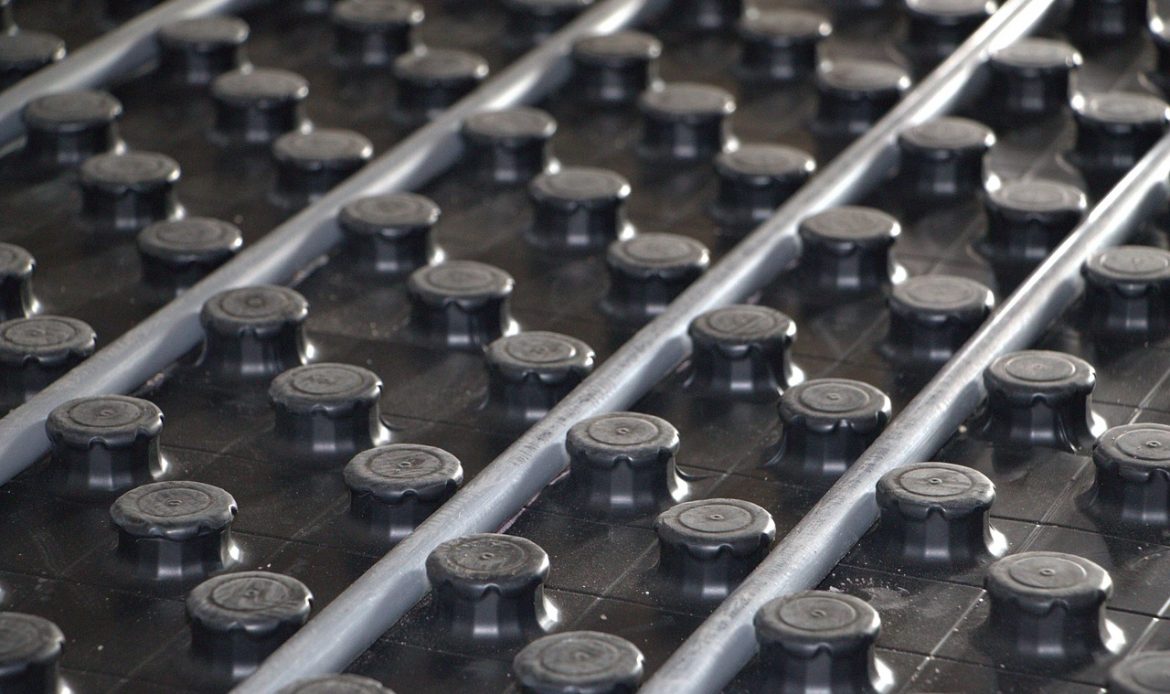
Water underfloor heating distributes heat gently and evenly through pipes hidden under the floor. This delivers a steady, comfortable temperature with remarkable efficiency, especially in larger open-plan spaces that are now so common in British homes.
By comparison, electric underfloor heating often remains the choice for smaller spaces, quick upgrades, or situations where making structural changes isn’t practical. The rapid installation and relatively low upfront costs make it attractive for bathrooms, kitchens or single rooms, especially in retrofit projects. However, it can be more expensive to run for whole-house solutions due to higher electricity tariffs.
The growing gap in operating costs between water and electric systems has made the former the most popular choice for new builds, extensions, and substantial renovations in 2026, especially when integrated with heat pumps or high-efficiency boilers.
How Smart Controls and App-Based Scheduling Are Transforming Home Comfort and Savings
A pivotal change in recent years has been the widespread availability of advanced smart controls, which have taken centre stage in underfloor heating installations across the UK. Homeowners are now expecting much more than just a warm floor. They want responsive, intuitive systems that can fine-tune comfort and conserve energy without fuss.
Modern smart thermostats and app-based platforms are leading this shift. Many systems now offer learning capabilities, where the heating can adapt itself to your family’s schedule and occupancy patterns. These platforms provide homeowners with the ability to divide their home into zones, managing temperature in each area independently. This zone-by-zone customisation ensures rooms are only heated when needed, avoiding unnecessary energy use and reducing bills.
Remote management is another sought-after benefit. With cloud-connected thermostats and integration into home assistant platforms, residents can adjust settings from their smartphone or even with voice commands. Scheduling routines, tracking energy consumption, and quickly responding to changing weather conditions have become seamless processes.
For many, smart controls are not just about the convenience of warming a chilly bathroom before dawn. Deep scheduling tools and adaptive automation mean heat arrives only where and when it’s wanted, creating an optimised balance between comfort and efficiency. Room-by-room zoning, occupancy learning, and remote access are fast becoming essential features in new and upgraded underfloor heating setups.

Smart controls and app-based management are at the core of 2026 underfloor heating upgrades.
Energy Efficiency and Sustainability Benefits in 2026 Underfloor Heating Installations
Underfloor heating has taken on a new dimension in the UK, with both installers and property owners putting greater focus on energy efficiency and eco-friendly solutions. Current Building Regulations, such as the revised Part L, are pushing for systems that operate efficiently at lower temperatures. Water underfloor heating works beautifully in partnership with renewable technologies, especially heat pumps, which excel when delivering gentle, consistent heat across large areas.
When installed with robust insulation and set up for the lower flow temperatures required by new regulations, water underfloor heating cuts down on wasted energy. The result is lowered running costs and remarkable reductions in carbon emissions. Many households equipped with efficient water underfloor heating in 2026 report annual bills in the range of £290 to £500, a noticeable improvement from traditional radiator systems – especially when renewable integration is included.
Another sustainable advantage is the compatibility with solar photovoltaic systems and other renewables. Homeowners can pair solar panels with their heating systems and store excess energy, further reducing reliance on the grid. This makes underfloor heating a sensible investment for anyone aiming to futureproof their home against rising energy costs and stricter environmental targets.
Rooms feel more evenly heated, eliminating cold spots and circulating warmth directly where it is most needed. With the latest controls and advanced commissioning, UK homes now use only the energy required, all while maintaining a high degree of comfort.
Choosing the Right System for Your Property Type and Budget
Selecting the best underfloor heating system means considering your property’s unique needs alongside your budget and renovation goals. For larger homes, new builds, or properties being substantially renovated, water underfloor heating is far and away the first recommendation. It meshes brilliantly with open-plan layouts, extensions, and spaces where floors are being replaced. The efficiency gains, ability to link with heat pumps, and compliance with current regulations all point to water-based options as a smart choice for the long term.
If you are looking to renovate a bathroom or kitchen, or need a quick, cost-effective heating boost for a small space, electric underfloor heating has distinct benefits. Its ease of installation and minimal floor height build-up make it ideal for retrofits where major construction would be impractical. The flexibility in laying out the system means it can tackle tricky room shapes, and rapid warm-up times are appreciated by many in smaller areas. Keep in mind the ongoing running costs, which can rise quickly if used to heat entire homes.
Flooring compatibility remains critical. Certain finishes, such as engineered timber, luxury vinyl tiles, and flagged stone, suit underfloor heating remarkably well, but always check your flooring’s suitability. A well-chosen insulation layer is just as vital, as it maximises efficiency and ensures a toasty finish underfoot without driving up energy use. When in doubt, expert advice and a comprehensive site survey help tailor the system to your specific requirements.
Practical Answers to Frequently Asked Questions in 2026
What is the most popular choice for homes in 2026?
Water underfloor heating is widely regarded as the best solution for whole-house or major renovation projects, thanks to new efficiency standards and better compatibility with low-carbon heat sources. Electric underfloor heating finds its place in smaller rooms and quick retrofits where disruption must be kept to a minimum.
How do smart controls actually lower bills?
Smart control platforms learn occupants’ daily patterns and can power down zones when not in use. By only running the heating where and when it’s needed, and allowing remote schedule tweaks, these systems boost efficiency and comfort hand in hand.
Can underfloor heating work with renewables?
Yes, and it’s a major trend for 2026. Water-based systems pair perfectly with air-source or ground-source heat pumps, and many households are adopting solar integrations to achieve extra savings and reduce reliance on fossil fuels.
What about installation times?
Innovations in installation techniques mean water systems are much quicker to fit than before, especially in new build or fully refurbished environments. Manufacturers have focused on retrofit-friendly solutions, keeping floor height increases to a minimum and ensuring systems blend in with updated layouts.
Final Thoughts Ready for Warmth That Goes Further?
Underfloor heating in 2026 is smarter, greener, and more adaptive than ever before. Whether you’re planning a new build, upgrading a family home, or seeking comfort-focused renovations, strong options exist that put efficiency, convenience, and sustainability at the heart of your living space. Water underfloor heating, in particular, excels as a future-ready solution, with electric systems holding their ground in focused retrofit work. The right controls connect all the dots, offering comfort on your terms while delivering real savings.
For those navigating upgrades, taking advantage of modern planning tools and knowledge-driven platforms can turn what looks complex into a seamless, automated decision process. If you want lasting warmth and lower bills in a cleaner, more responsive home. Now is the right time to make your move. Seek expert advice tailored to your property, take a close look at compatibility options, and enjoy underfloor heating that meets the needs of today while preparing you for the future.
Looking to explore your next steps? Consider leveraging AI-powered tools that make researching and planning easier than ever. With solutions that bring clarity and confidence, your journey to a smarter, warmer home can start now.